EPR Fees for Consumer Health Packaging: What You Need to Know in 2026
Insights
Reading time: 3 minutes
Learn how Extended Producer Responsibility (EPR) fees influence consumer health packaging costs, compliance requirements and design decisions. A practical guide for consumer health brands preparing for evolving EU regulations.
Learn how Extended Producer Responsibility (EPR) fees influence consumer health packaging costs, compliance requirements and design decisions. A practical guide for consumer health brands preparing for evolving EU regulations.
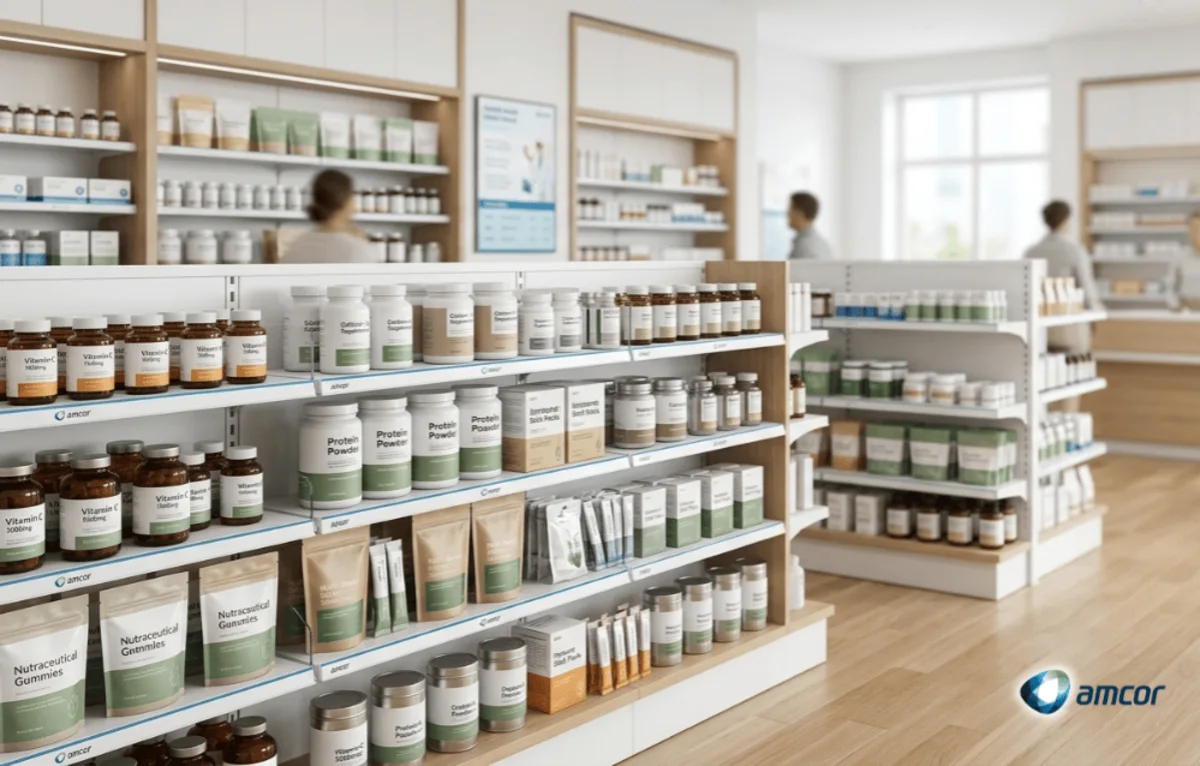
If you manufacture vitamins, supplements, OTC medicines, or wellness products for the EU market, Extended Producer Responsibility (EPR) requirements are already shaping how your packaging is designed, sourced and reported. These changes will continue to expand between now and 2030.
EPR fees are now closely linked to material selection, packaging design and market access. Understanding how these systems work helps you plan ahead and make informed decisions.
What Are EPR Fees and Why Do They Matter to You?
Extended Producer Responsibility (EPR) is an environmental policy approach that shifts the cost for collecting and processing post-consumer waste from local governments to producers. Under this system, producers contribute to the management of their packaging throughout its lifecycle, from material choices to end-of-life treatment.
For consumer health brands, this means material selection, packaging design and reporting accuracy directly influence total costs over the pack’s lifecycle.
How Eco Modulation Changes the Game
Eco-modulation is an evolving component of EU EPR systems. Under eco-modulated structures, packaging designed for established recycling streams may be associated with lower fees, while materials that are difficult to process may face higher ones.
Several EU Member States already apply eco-modulated fees. By 2030, this approach will be mandatory across the entire region. Recycle-ready flexible materials or rigid packaging containing verified recycled content may benefit from reduced fees in certain markets.
Timeline: When EPR Changes Take Effect
• 2026: EU begins harmonizing EPR systems through the Packaging and Packaging Waste Regulation (PPWR)
• 2028: Broader rollout of harmonized systems, including eco-modulated fee structures
• 2030: Full implementation across all EU Member States
The transition period is relatively short and early preparation helps support smoother adoption.
How EPR Fees Impact Your Consumer Health Packaging
- Complex Packaging Costs More. Much More
EPR fees tend to rise when packaging is complex or hard to recycle, which is often the case for multi-material formats used in consumer health. Shifting to mono-material packaging, when technically feasible, can help you stay aligned with recyclability standards, reduce fee differences, meet retailer expectations and better manage long term costs. - Material Choice Directly Affects Your Fees
Material selection plays a significant role in determining your EPR fees, as certain materials carry higher charges due to limited recycling infrastructure or difficulties in separating components at the end of life. For this reason, a good solution is shifting toward mono-material packaging for blisters or pouches, achieving meaningful reductions in EPR-related costs while still meeting required performance standards. - Lightweighting Saves Money. But Requires Careful Balance
Because EPR fees increase with packaging weight, reducing material use can help lower overall costs. Even small weight reductions across large volumes can make a meaningful difference, but it’s essential to ensure the packaging continues to protect the product and maintain its full efficacy.
Your EPR Compliance Action Plan
Step 1: Audit Your Current Packaging Portfolio
Map your fee exposure by:
• Identifying high-fee formats
• Prioritizing redesigns based on volume and cost impact
Step 2: Transition to Recycle-Ready Materials
Where suitable for the product and regulatory requirements:
• Replace PVC blisters with mono-material PE or PP blister packs
• Convert mixed-material packaging to recyclable or recycle-ready alternatives
• Optimize bottle and jar formats for recyclability
This process requires time for material qualification, line trials and stability testing, so early action supports smoother transitions.
Step 3: Integrate Design for Recycling into Your Packaging Process
Make recyclability part of your development workflow by considering it from the start. This means adding Design for Recycling requirements to your briefs, checking recyclability alongside performance, involving suppliers early and testing packaging in the recycling systems where it is likely to end up.
Step 4: Strengthen Your Supply Chain
Work with suppliers who truly understand packaging materials and can guide you toward options that are aligned with evolving regulations. Choosing partners with the right expertise helps you access compliant materials and identify opportunities to use less packaging overall while still protecting the product and ensuring it performs as intended.
Real World Solutions: What Works Today
Recycle Ready Blister Packaging
Traditional PVC/aluminum blisters fall into higher-fee categories in many countries. Mono-material alternatives, such as Amcor’s AmSky™ PE-based blister system, provide a simplified structure compatible with established PE recycling streams (where they exist) and maintain required protection and usability features.
Lightweight Bottles and Jars
Weight-optimized designs can reduce total material use while maintaining integrity and child-resistant performance.
Recycle-Ready Flexible Packaging
Mono-material laminates for pouches, sachets and stick packs can be suitable for powders, gummies and other products where barrier requirements allow. These lightweight formats use less material and may carry lower EPR fees than mixed-material laminates, and they are recyclable in practice where recycling streams exist.
Get Expert Help with Your EPR Strategy
EPR requirements differ by country and will continue to evolve. Amcor supports consumer health brands in navigating these changes by providing packaging solutions that meet regulatory needs while helping manage long term cost exposure.
We can help you identify optimization opportunities and transition to recycle-ready materials while maintaining product protection.
Ready to explore how packaging choices can support your EPR strategy?
Book a meeting with our packaging experts to discuss your packaging needs. You can also subscribe to our newsletter for the latest sustainability and industry updates.
Related Insights
How Are Regulations and Trends Reshaping Consumer Health Packaging?
Consumer health packaging plays a critical role in product safety, compliance and consumer trust. Download this free e-book and get a clear, practical overview of the key trends and regulatory developments affecting consumer health packaging.
Consumer health packaging plays a critical role in product safety, compliance and consumer trust. Download this free e-book and get a clear, practical overview of the key trends and regulatory developments affecting consumer health packaging.
PPWR and Consumer Health Packaging: Your 2026 Guide
The EU’s Packaging and Packaging Waste Regulation (PPWR) will impact consumer health packaging, introducing strict PFAS restrictions, recyclability criteria and mandatory post-consumer recycled (PCR) content for products such as nutraceuticals, vitamins and supplements. What does the PPWR mean for your brand? What changes should you be aware of?
The EU’s Packaging and Packaging Waste Regulation (PPWR) will impact consumer health packaging, introducing strict PFAS restrictions, recyclability criteria and mandatory post-consumer recycled (PCR) content for products such as nutraceuticals, vitamins and supplements. What does the PPWR mean for your brand? What changes should you be aware of?
Nutraceuticals in the spotlight: Is your packaging due a health check?
Explore how effective food supplement packaging can set your nutraceutical brand apart in a competitive market — meeting both consumer expectations and sustainability goals.
Explore how effective food supplement packaging can set your nutraceutical brand apart in a competitive market — meeting both consumer expectations and sustainability goals.