PPWR and Consumer Health Packaging: Your 2026 Guide
Healthcare
Reading time: 4 minutes
The EU’s Packaging and Packaging Waste Regulation (PPWR) will impact consumer health packaging, introducing strict PFAS restrictions, recyclability criteria and mandatory post-consumer recycled (PCR) content for products such as nutraceuticals, vitamins and supplements. What does the PPWR mean for your brand? What changes should you be aware of?
The EU’s Packaging and Packaging Waste Regulation (PPWR) will impact consumer health packaging, introducing strict PFAS restrictions, recyclability criteria and mandatory post-consumer recycled (PCR) content for products such as nutraceuticals, vitamins and supplements. What does the PPWR mean for your brand? What changes should you be aware of?
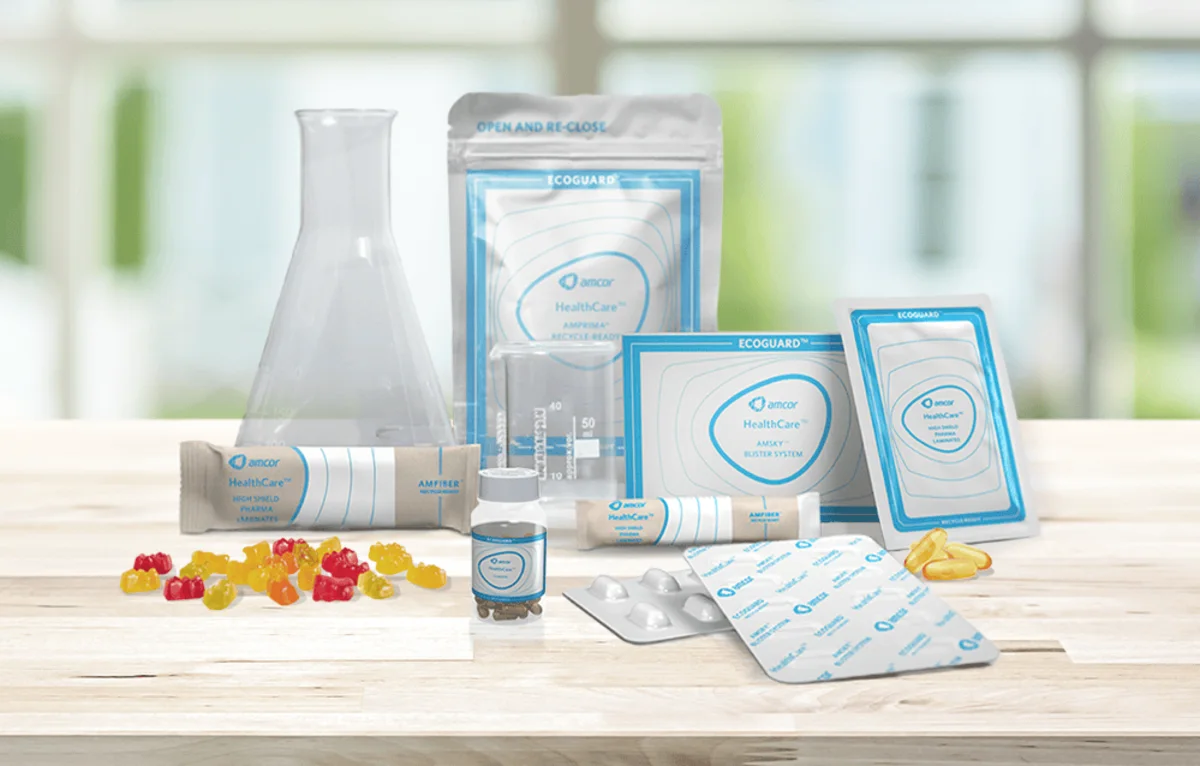
Brands are beginning to review their packaging portfolios, explore PPWR‑ready solutions, and map out transition plans that help minimize disruption. This article will walk you through what the current regulation requires, what it means for consumer health and nutraceutical packaging, the solutions already available, and practical steps to support a smooth and informed transition.
A quick recap: What is the PPWR?
The Packaging & Packaging Waste Regulation (PPWR) is a European Union regulation to reduce waste and help build a circular economy for packaging. It applies throughout EU territory, including to packaging imported into the EU. It applies to all packaging – not just plastics. This new legislation:
- Sets limits for the presence of PFAS in food packaging
- Sets deadlines for packaging to be designed for recycling (recycle-ready)
- Sets targets for recycling and reducing packaging waste
- Sets “eco-modulation” criteria for Extended Producer Responsibility (EPR) systems, rewarding brands for using more sustainable packaging
- Sets mandatory targets for the use of Post-Consumer Recycled (PCR) content in plastic packaging
What does the PPWR mean for consumer health and nutraceutical packaging?
The PPWR represents the most significant regulatory shift in packaging that consumer health and nutraceutical brands have faced, and the timeline is shorter than most people realize.
Four critical changes affecting your packaging
The PPWR introduces four interconnected requirements that will fundamentally change how you package consumer health and nutraceutical products:
1. PFAS restrictions: From August 2026, restrictions on PFAS content will apply to all food-contact packaging, including consumer health and nutraceutical packaging. All packaging materials are in scope: plastic, paper, metal, etc. This means checking your materials, coatings, and barrier layers to make sure your packaging doesn’t exceed the limits.
2. Mandatory recyclability: All packaging introduced to the EU market must be designed for recycling by 2030, with packaging needing to be recycled at scale by 2035. This isn't about technical recyclability in theory. Your packaging must actually work with existing EU recycling infrastructure.
3. Post-Consumer Recycled (PCR) content: Contact-sensitive plastic packaging must contain a minimum of 10% - 30% PCR content by 2030, increasing to 25% - 50% by 2040. Most nutraceutical packaging qualifies as contact-sensitive. This means sourcing recycled materials with the relevant traceability certifications.
4. Standardized consumer labeling: By August 2028, packaging must include a harmonized label containing information on its material composition to facilitate consumer sorting for recycling.

What are the considerations for nutraceutical packaging?
Consumer health and nutraceutical products have unique requirements to take into account when working toward PPWR readiness.
Your products are often sensitive to moisture, oxygen, and light, requiring sophisticated barrier properties that traditional recyclable materials struggle to match. Many products require child-resistant closures and tamper-evident features that must remain effective in new packaging formats. And the sector's format diversity – such as bottles, jars, pouches, sachets, stick packs and blister packs – means there's no one-size-fits-all answer. Each product line needs thoughtful evaluation.
How can Amcor help you get PPWR-ready?
We want to deliver packaging that is safe, more sustainable, built on science, compliance, and performance.
How our teams can help you:
-
Innovation engineered for safety & circularity: Our breakthrough AmSky™ blister system removes PVC and aluminum from blister packaging, enabling recyclability in PP/PE streams (where recycling streams exist) without sacrificing barrier performance.
-
A portfolio designed for the future: From HealthCare™ EcoGuard™ high-barrier laminate to AmFiber™ paper-based options, our solutions help brands transition responsibly. In fact, 96% of our flexible packaging portfolio has a recycle-ready option available today.
-
Science‑based decision-making: Our ASSET™ Life Cycle Assessment tool compares the carbon footprint and other sustainability indicators of different packaging solutions to guide data-driven packaging choices.
Are recycle-ready consumer health packaging solutions available?
Yes. We offer a wide range of recycle‑ready consumer health packaging solutions, including AmSky™ PVC‑free and aluminum‑free recycle-ready PE blisters; AmPrima® recycle‑ready high‑performance PE or PP films; AmFiber™ paper‑based reccylable packaging; recycle‑ready high‑barrier laminates for sensitive consumer health and nutraceutical products; and a broad range of rigid bottle and jar solutions.
How much PCR content is required for consumer health packaging?
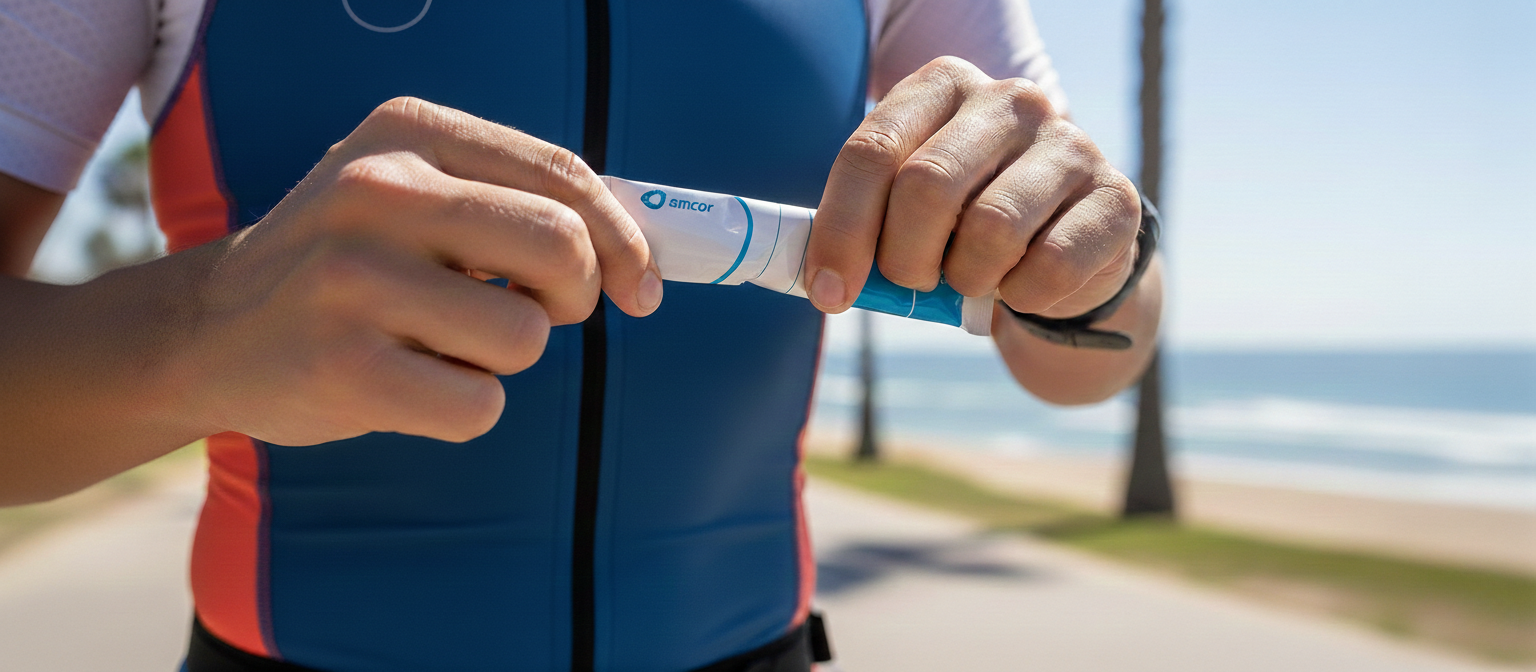
Under the PPWR, food‑contact‑sensitive flexible plastic packaging used for consumer health applications, such as pouches, sachets and stick packs, must include minimum 10% PCR content by 2030, increasing to 25% by 2040.
Contact-sensitive rigid packaging for made from PET for vitamins and supplements, such as bottles and jars, must include minimum 30% PCR content by 2030, increasing to 50% by 2040.
Where to start when transitioning to more sustainable packaging?
To meet PPWR requirements, it's essential to start planning now. Our team of experienced packaging experts will help you design the perfect consumer health pack. And we make switching over easy with Amcor’s Field Technical Services team. They are ready to help you run trials and seamlessly transition to more sustainable consumer health packaging.
Our team will provide tailored solutions to ensure that your packaging meets both performance and regulatory standards with minimal disruption to your business.
If you’re ready to make your consumer health packaging PPWR-ready, reach out to learn how Amcor can help.
Want to stay ahead of upcoming EU packaging regulations? Watch our latest webinar on packaging solutions for Consumer Health Packaging on demand now or download our new e-book on regulations and trends that are shaping the future of consumer health packaging here.
Want to create innovative nutraceutical packaging with us?
Want to know more about our packaging for food supplements? Get in touch with our nutraceutical packaging experts and book a virtual coffee with them.
Want to stay up to date on the latest industry trends? Sign up to receive info, invitations to webinars and updates on packaging sustainability,regulations and other topical issues.
Related Insights
How Are Regulations and Trends Reshaping Consumer Health Packaging?
Consumer health packaging plays a critical role in product safety, compliance and consumer trust. Download this free e-book and get a clear, practical overview of the key trends and regulatory developments affecting consumer health packaging.
Consumer health packaging plays a critical role in product safety, compliance and consumer trust. Download this free e-book and get a clear, practical overview of the key trends and regulatory developments affecting consumer health packaging.
Nutraceuticals in the spotlight: Is your packaging due a health check?
Explore how effective food supplement packaging can set your nutraceutical brand apart in a competitive market — meeting both consumer expectations and sustainability goals.
Explore how effective food supplement packaging can set your nutraceutical brand apart in a competitive market — meeting both consumer expectations and sustainability goals.