EPR & Stretch Film in the U.S.: What you need to know
Insights
Reading time: 3 minutes
Stretch film plays a critical — but often overlooked — role in EPR, where packaging weight and volume directly impact reporting requirements and fees. Even lightweight film adds up quickly across high-volume use, making smart material choices and efficient application key to managing EPR costs.
Stretch film plays a critical — but often overlooked — role in EPR, where packaging weight and volume directly impact reporting requirements and fees. Even lightweight film adds up quickly across high-volume use, making smart material choices and efficient application key to managing EPR costs.
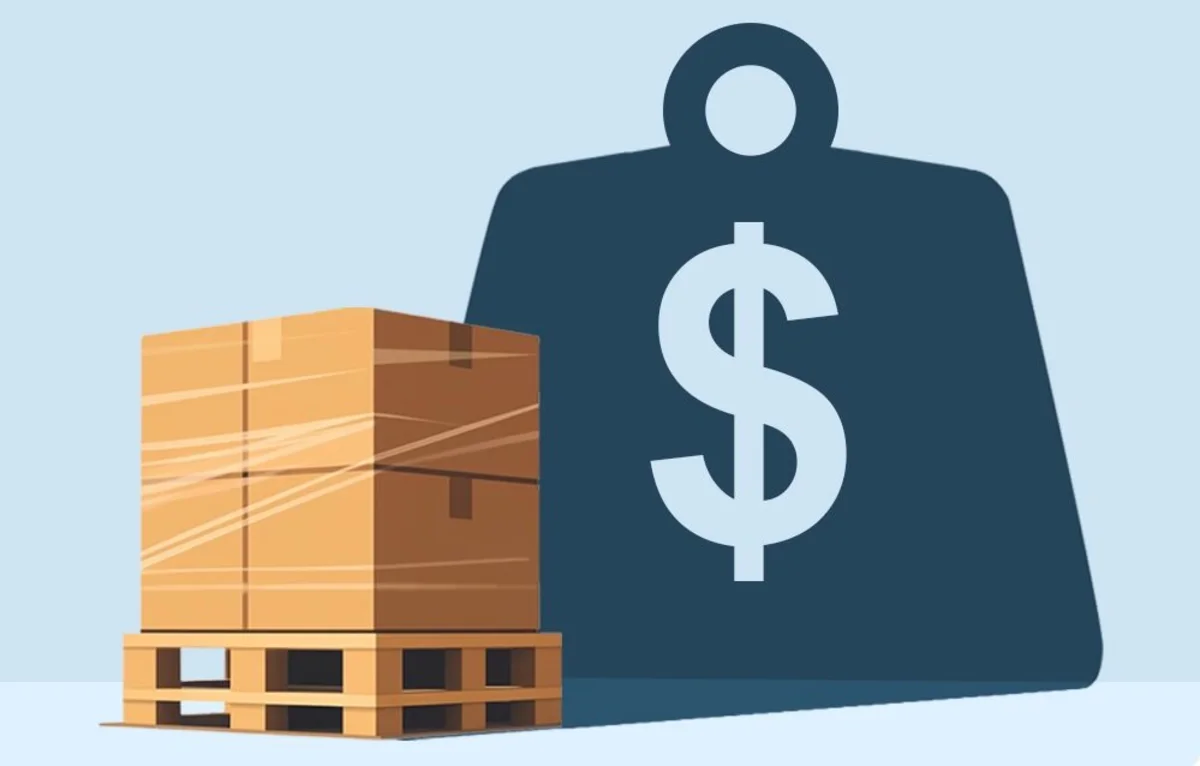
Stretch film is essential in keeping loads secure, shipments moving, and operations running smoothly. But as Extended Producer Responsibility (EPR) laws are rolling out across the U.S., materials like stretch film are getting extra attention.
Let’s walk through how EPR applies to stretch film in practical terms and why it should be on your radar.
What is Extended Producer Responsibility (EPR)—and why is everyone talking about it?
Extended Producer Responsibility puts the responsibility for packaging waste on the companies bringing it to market, not municipalities. That responsibility typically includes reporting requirements — and, in many cases, fees tied to the type and weight of packaging used.
EPR isn’t incoming – it’s here. Policies are active in several states, expanding, and starting to influence packaging decisions. As more states adopt EPR, understanding how your packaging fits into the picture matters more than ever.
For a deeper look at how EPR could impact your packaging, you can read our overview here.
Does EPR apply to stretch film?
Yes — it can.
Stretch film is often classified as transport or secondary packaging, depending on the state. It may not sit on a store shelf, but it’s still key in getting products from point A to point B. If packaging helps move products through the supply chain, it can count under EPR— whether customers ever see it or not.
How is stretch film uniquely impacted by EPR?
This is where stretch film starts to add up.
Most EPR programs factor in packaging weight when determining fees. On its own, stretch film is thin and lightweight. But because it’s essential to the supply chain, it’s used constantly — on nearly every pallet, across industries, every day.
That high-volume use stacks up fast. What feels minor at the pallet level can quickly become a significant amount of material over time.
In short: stretch film may be light — but when EPR fees come into play, volume makes the difference.
How does stretch film usage affect EPR costs?
It really comes down to application.
Wrap patterns, film gauge, and how often loads are wrapped all influence total material usage. A small increase in film per pallet might seem minor — until it’s multiplied across thousands of shipments.
Those decisions can translate to measurable weight, reporting obligations, and potential cost impact.
Who is responsible for stretch film under EPR?
The answer isn’t always straightforward, and it varies by state. In many instances, EPR responsibility falls to the company putting packaged goods into the market, not the company supplying the packaging. This isn’t always the case, however. Depending on circumstances – how the supply chain is structured and how the products are sold – and location, responsibility can shift.
Distributors, brand owners, and end users can each play a role, and it varies by scenario. We’ll break those differences down in a future blog – this is where things get more nuanced.
Is there a way to reduce EPR impact with stretch film?
Yes.
EPR fees are tied to material usage. So, using less film — while still maintaining load stability — can help reduce overall impact. This could be achieved through improvements in film efficiency, application, and wrap settings.
At the end of the day, less film means less material to report. That alone can make a meaningful difference when evaluating EPR costs.
Where do downgauging and high-performance films come into play?
High-performance stretch films often allow for downgauging — so you can use thinner film without sacrificing performance. That equates to less material, lower total weight, and potential EPR fee reduction.
Amcor offers a broad portfolio of stretch films (link this to sell sheets?) to help make this possible. We’ll talk about how these solutions can work in your favor under EPR policies in a future post.
Where can I go to better understand how this impacts my packaging?
The EPR landscape continues to evolve and varies by location.
If you want to stay informed, here are few good places to start:
- Our state-by-state EPR guide
- An overview on how to prepare for and comply with EPR
- Circular Action Alliance (CAA)
You can also reach out – we are tracking what’s happening so you can make smart packaging decisions and navigate EPR with confidence.
Conclusion
Stretch film plays a unique role when it comes to EPR.
It’s used everywhere. It adds up fast. And it can have a real effect on fees.
But here is the upside – stretch film is also one of the more controllable parts of packaging. Get it right, and you can use less material, run more efficiently, and better manage EPR impact.
If you’re looking to understand what EPR means for your operation — We can help.
Want to learn more? Connect with our team or explore our sustainability resources to get started.