EPR & Stretch Film in the U.S.A: From Strategy to Savings
Insights
Reading time: 2 minutes
Four elephants. That’s roughly how much plastic one Oregon customer eliminated each year by optimizing its stretch film operation—without compromising performance.
Four elephants. That’s roughly how much plastic one Oregon customer eliminated each year by optimizing its stretch film operation—without compromising performance.
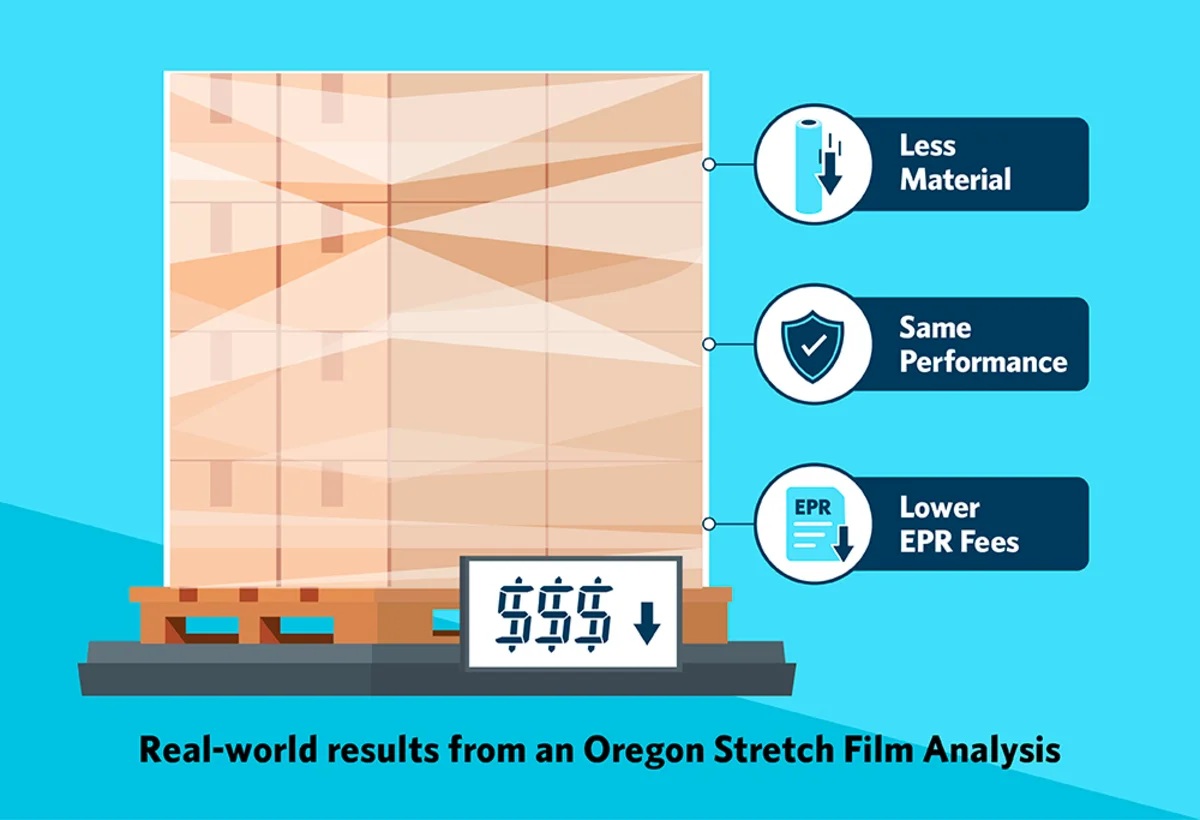
The benefits of stretch film optimization aren’t just theoretical.
As one of the first states to implement Extended Producer Responsibility (EPR) regulations for packaging, Oregon has become an early example of how these programs can affect businesses. With more states adopting similar regulations, finding practical ways to manage potential EPR costs is top of mind for many companies. Because packaging weight plays such an important role, reducing material at the source is one of the most effective strategies.
Using less material is one thing. Doing it without sacrificing performance is another.
Can it be done?
Through Amcor’s Stretch Film Analysis, an Oregon customer put that question to the test.
Let’s look at the numbers.
What is a Stretch Film Analysis?
An Amcor Stretch Film Analysis (SFA) looks at your entire stretch wrapping operation, not just the film you’re using. That includes factors like your wrapping equipment, load requirements, and wrapping patterns to identify opportunities to reduce material, lower costs and maintain the performance needed to keep loads protected.
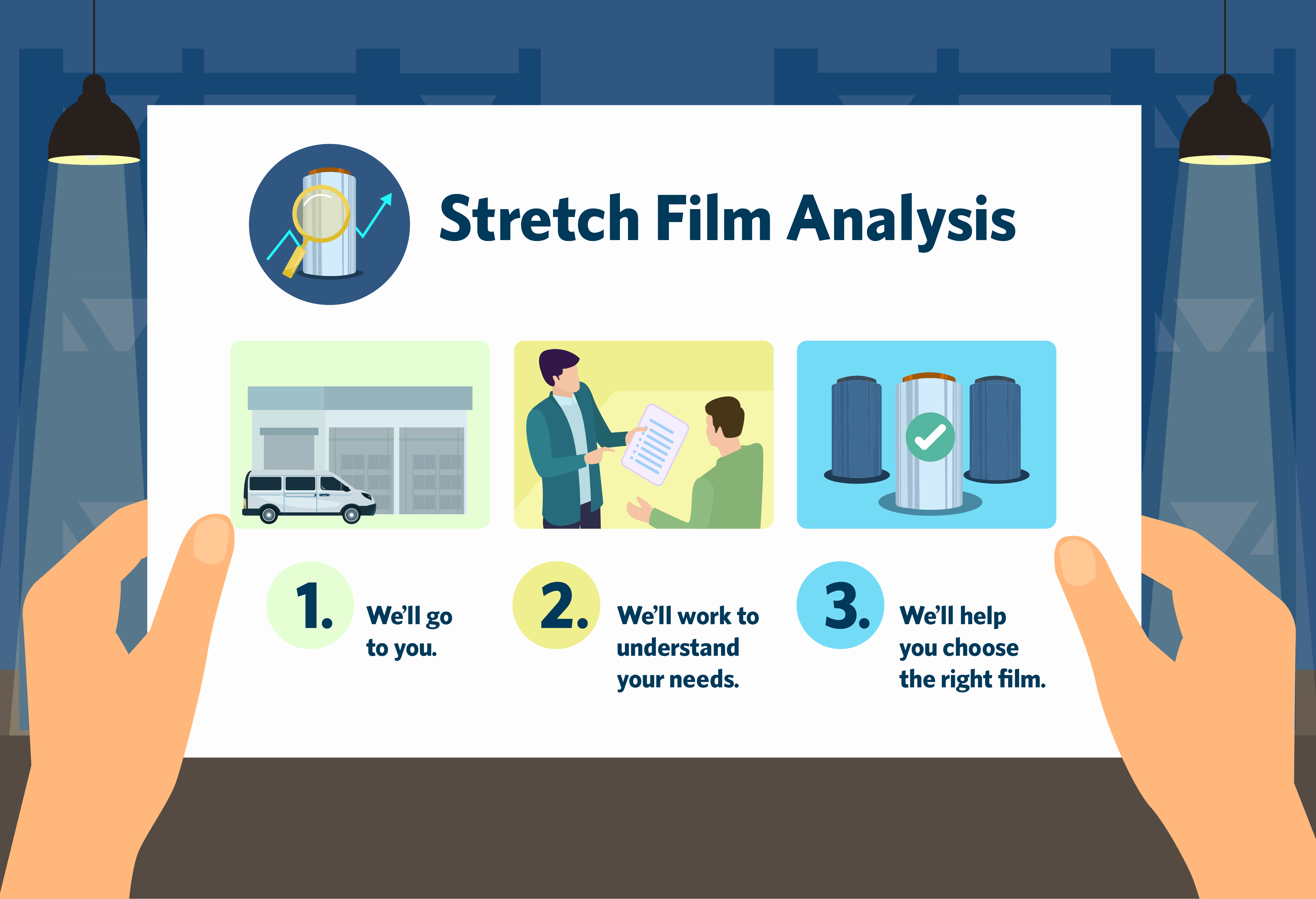
What changed?
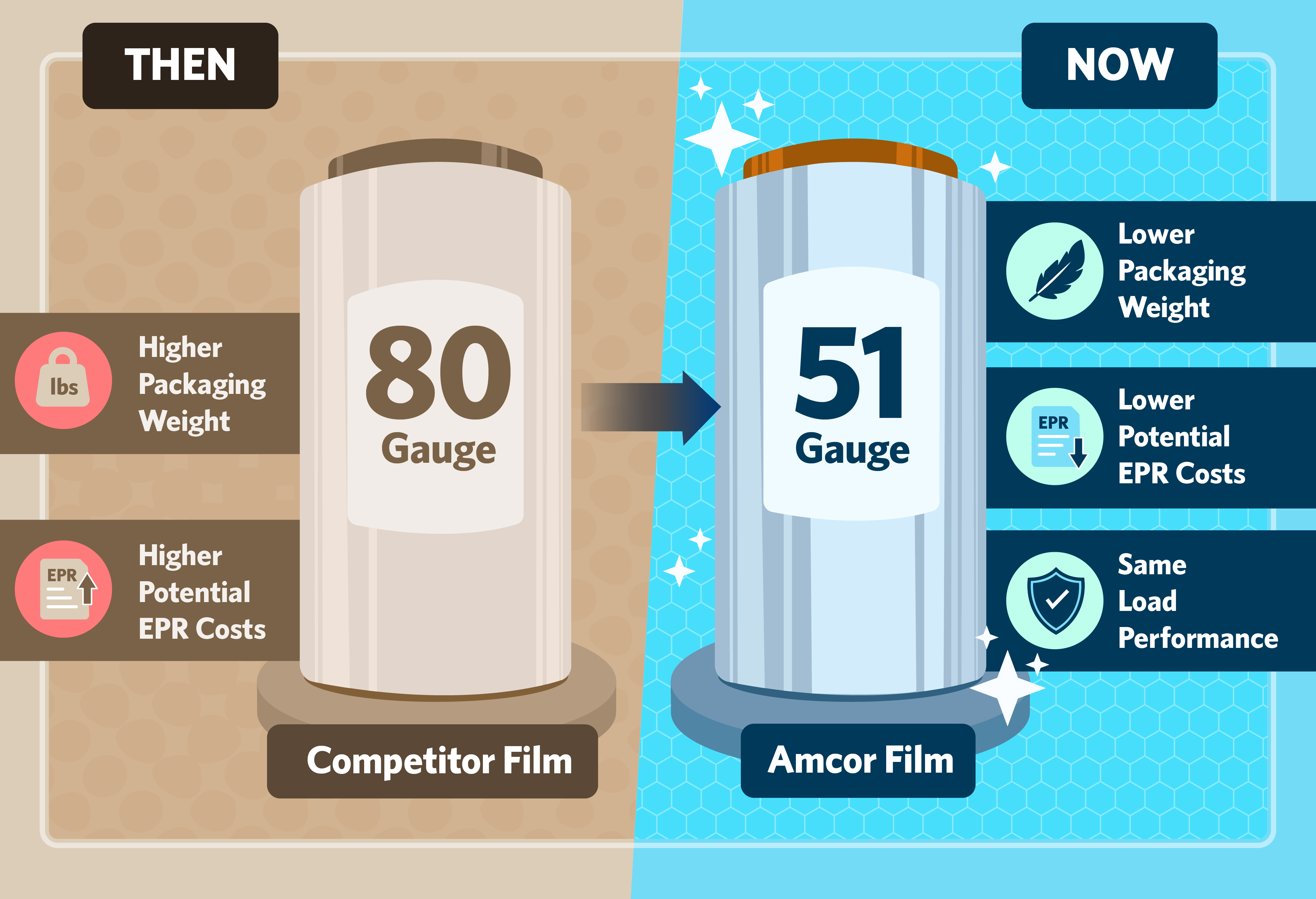
For this Oregon customer, who ships exclusively within the state, the answer wasn't simply switching to a thinner film; it was finding the right film. The Stretch Film Analysis showed they could transition from a competitor's 80-gauge film to Amcor's 51-gauge solution without sacrificing performance.
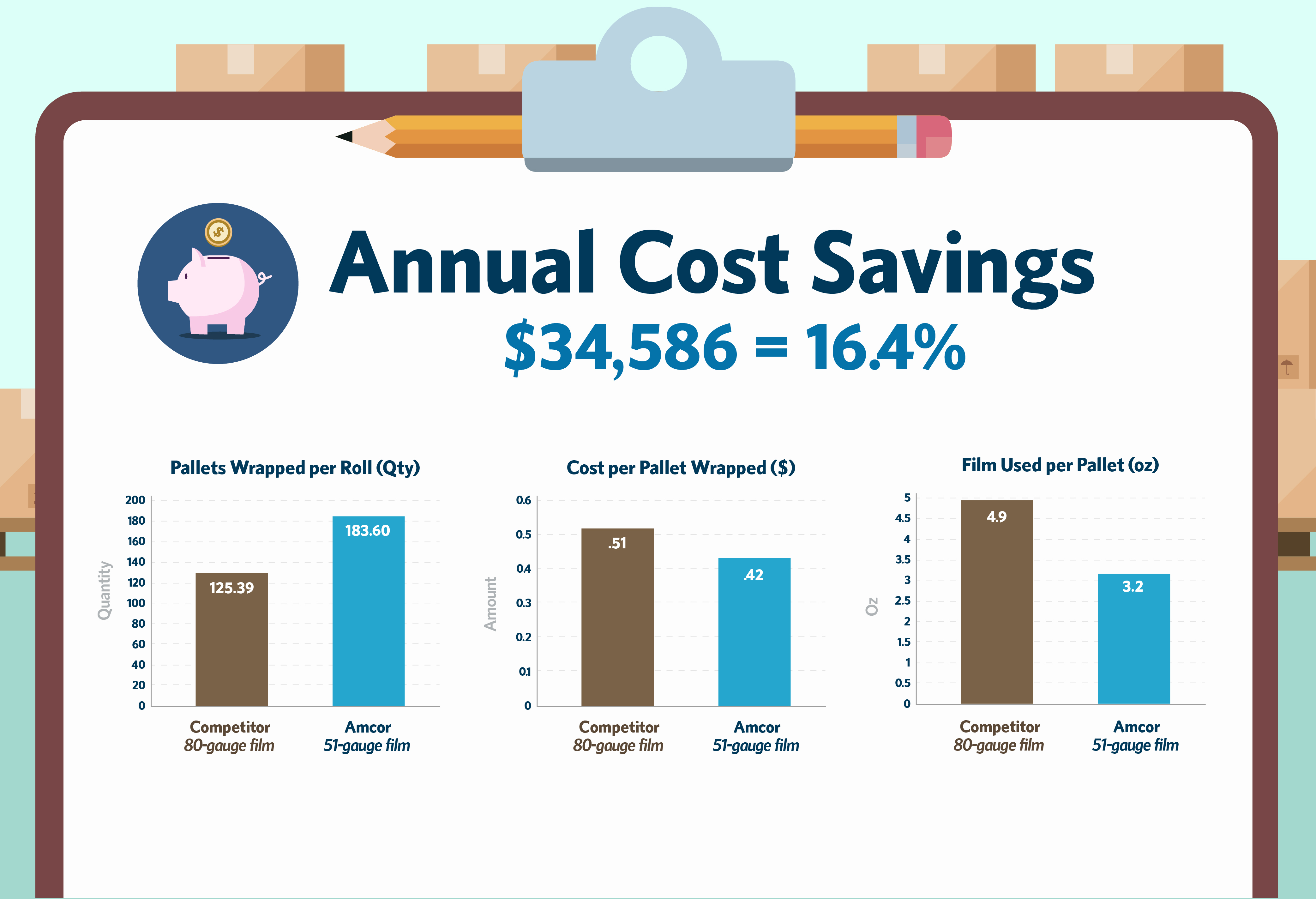
Did using less film reduce operating costs?
Yes.
Using less film meant more pallets wrapped per roll and a lower cost to wrap each pallet.
How much plastic was reduced?
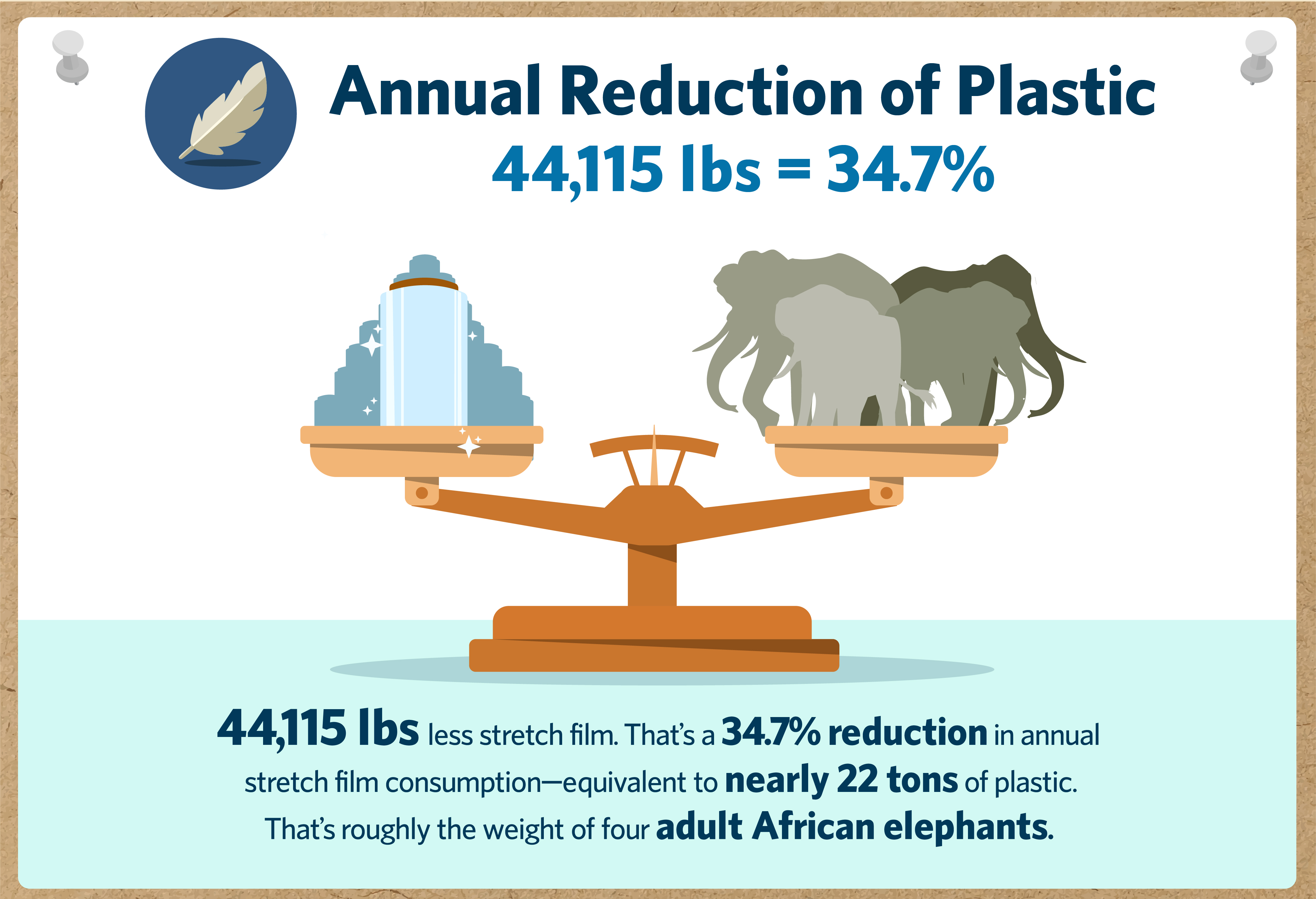
The solution lowered annual stretch film consumption by 44,115 pounds, equal to a 34.7% reduction in material usage.
That’s nearly 22 tons of plastic—roughly the weight of four adult African elephants.
What did this mean for EPR?
Because Oregon’s EPR fees are partially tied to packaging weight, using less stretch film also reduced this customer’s potential EPR fee exposure. It’s another example of how source reduction can support both operational savings and EPR compliance.

Were there other sustainability benefits?
Yes.
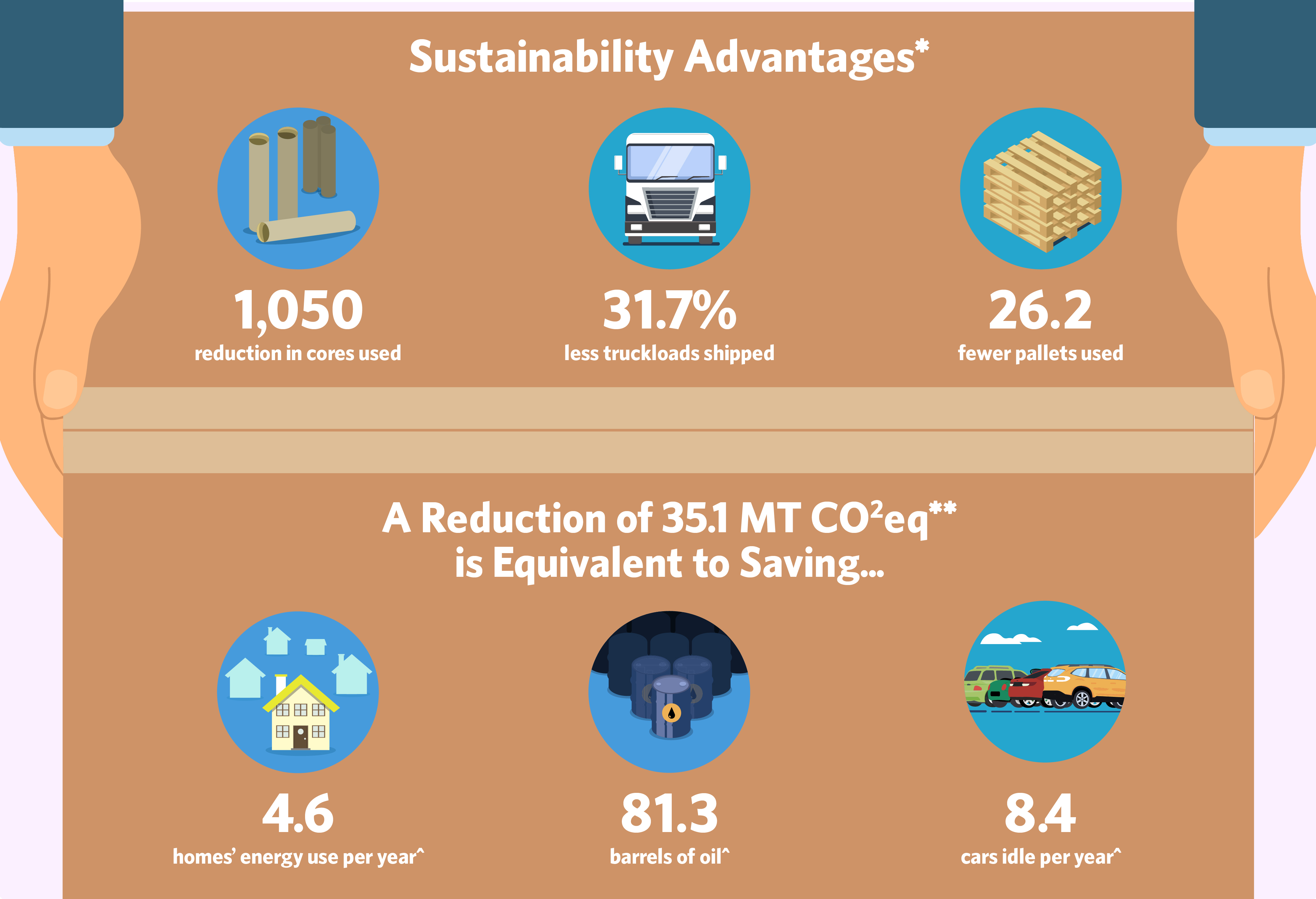
Using less material didn’t just reduce plastic usage. The Amcor Stretch Film Analysis also reflected lower resin use and greenhouse gas emissions.
How did the film’s performance compare?
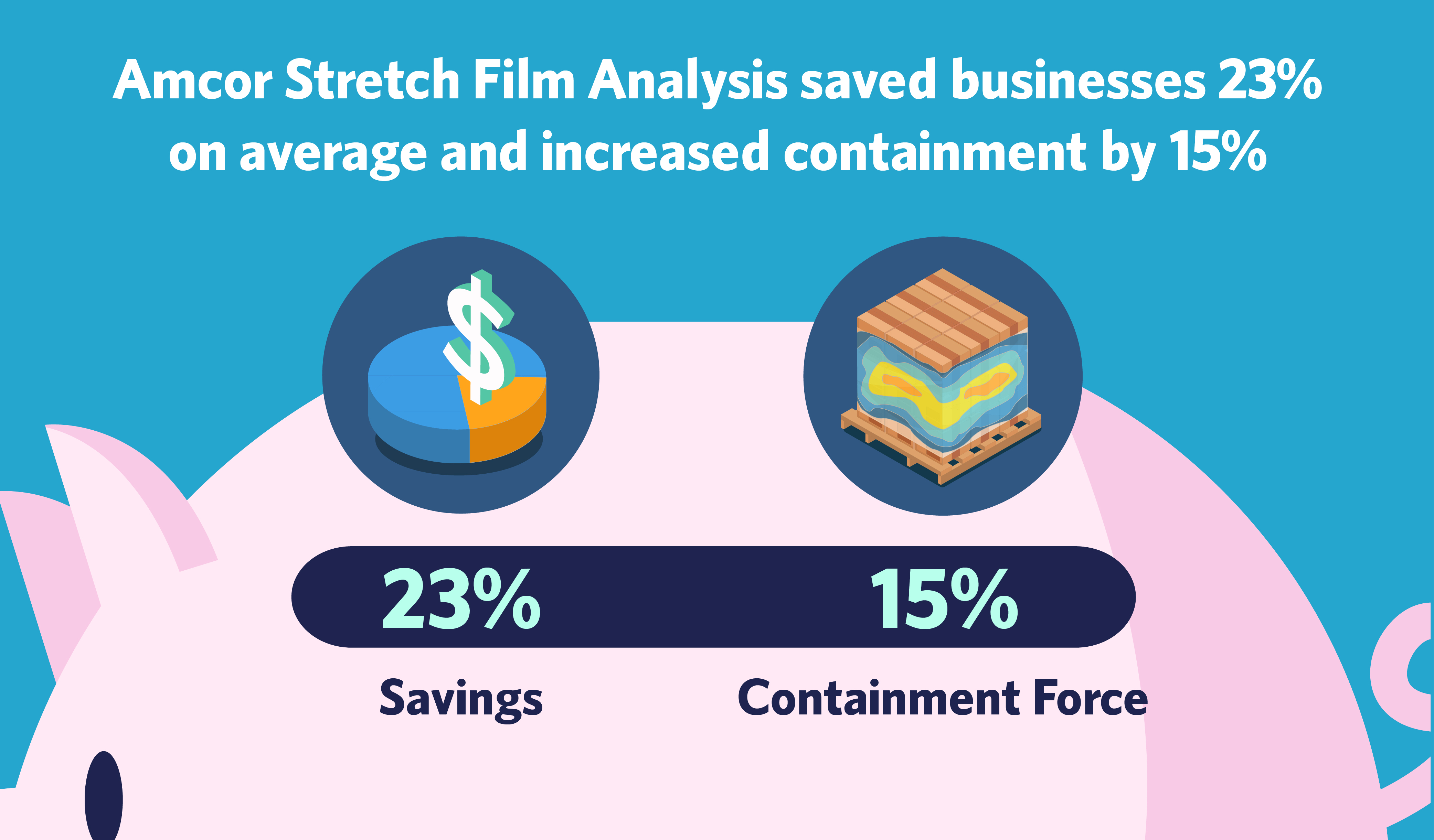
Thicker doesn’t always mean stronger. The Amcor Stretch Film Analysis showed this customer could reduce material while still keeping loads secure.
Are you missing out on cost savings?
No two stretch wrapping operations are the same, but you many have room to use less material without compromising performance. An Amcor Stretch Film Analysis can help uncover what’s possible.
How can Amcor help?
An Amcor Stretch Film Analysis can help you:
- Understand your current stretch wrapping operation
- Identify opportunities to reduce material
- Select the right film for your application
- Estimate potential operational savings
- Better understand potential EPR costs
Every recommendation is tailored to your exact set up, so you can make informed decisions with confidence.
Learn More About Amcor Stretch Film Analysis
Conclusion
As this case study shows, stretch film optimization isn’t about using the thinnest film possible. It’s about using the right film for the application. With the right data, that can mean using less material, lowering operating costs and reducing potential EPR costs – all without compromising performance.
If you’re curious what opportunities may exist in your own operation, an Amcor Stretch Film Analysis is a great place to start.
Request an Amcor Stretch Film Analysis today or contact Amcor to learn more.
Related Insights
EPR & Stretch Film in the U.S.: How to Reduce Exposure
When every pound of packaging can affect EPR fees, small stretch film improvements can deliver big results. Downgauging, choosing higher-performance or recycled-content films, and fine-tuning your wrapping process can reduce material use—without compromising load containment. The payoff? Lower costs, stronger sustainability performance, and better EPR readiness.
When every pound of packaging can affect EPR fees, small stretch film improvements can deliver big results. Downgauging, choosing higher-performance or recycled-content films, and fine-tuning your wrapping process can reduce material use—without compromising load containment. The payoff? Lower costs, stronger sustainability performance, and better EPR readiness.
EPR & Stretch Film in the U.S.: Understanding Producer Responsibility
“Who is actually responsible under EPR?”
The answer isn’t always straightforward. It depends on factors like state, packaging type, and how products move through the supply chain. The specifics can get complex, but understanding a few key concepts can help cut through the confusion and point you in the right direction.
“Who is actually responsible under EPR?”
The answer isn’t always straightforward. It depends on factors like state, packaging type, and how products move through the supply chain. The specifics can get complex, but understanding a few key concepts can help cut through the confusion and point you in the right direction.