Vacuum coffee packaging with 71% reduced carbon footprint
Insights
Reading time: 2 minutes
Trends suggest that more coffee consumers are favouring brands with strong environmental and ethical credentials. We partnered with Syntegon to provide coffee producers with a new mono-PE vacuum pack that is designed to be recycled and more sustainable.
Trends suggest that more coffee consumers are favouring brands with strong environmental and ethical credentials. We partnered with Syntegon to provide coffee producers with a new mono-PE vacuum pack that is designed to be recycled and more sustainable.
Consumers are looking to coffee producers not only to deliver on quality, but to minimize their environmental impact while they do it. Our own research shows that 94% of European consumers care about sustainability issues, while Accenture reports that 68% of people say they are making more environmentally friendly, sustainable or ethical purchases.
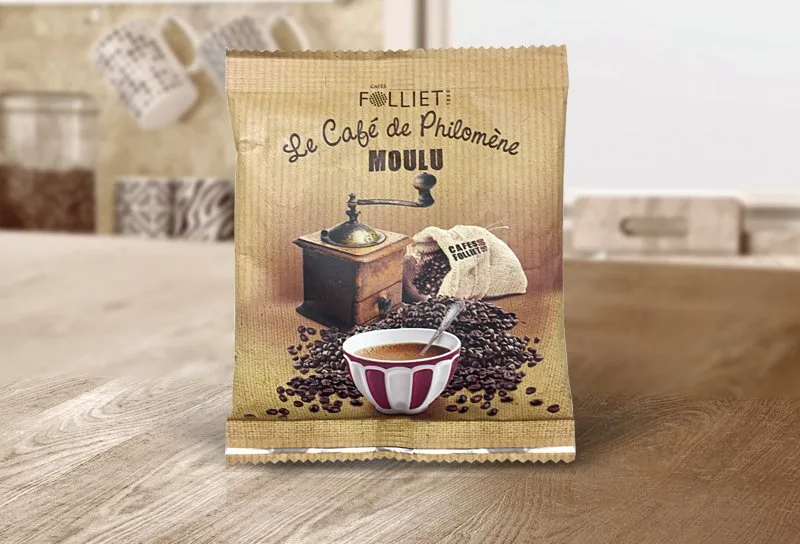
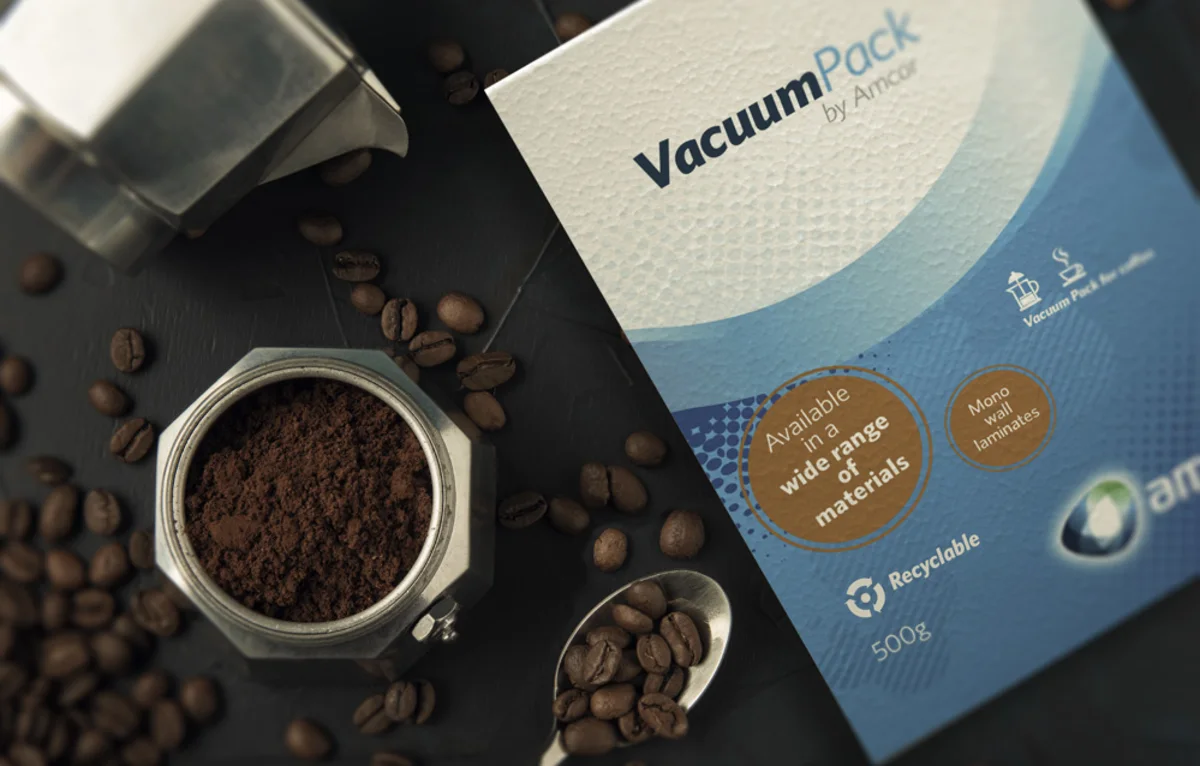
Making good on our sustainability pledge, Amcor partnered with Syntegon to bring to market a new mono-PE vacuum pack for coffee that is designed to be recycled. The pack has a 71% carbon footprint reduction* and was made using the latest creasing and notching technology.
More sustainable packaging shouldn’t compromise on quality. We are proud that this pack responds to consumer demand for packaging that is easier to recycle, while preserving coffee’s aroma at its best.
Watch the video to learn how this innovative Amcor material runs on Syntegon equipment:
Responsible sourcing and production from bean to pack
For brands who already promote a responsible story for their product, it will look incongruous to many customers if their packaging doesn’t make the same considerations. Packaging accounts for 3% of a coffee product chain’s total carbon footprint. So, brands genuinely concerned about climate change will directly address the environmental impact of their coffee packaging.
The last year has seen major brands take action. Starbucks has created its own private standard for more sustainable coffee production: Starbucks’ Coffee and Farmer Equity Practices (CAFE Practices). Similarly, Nestlé has created sustainability guidelines with its Nespresso AAA Sustainable Quality standard.
CASE STUDY: Meira Oy
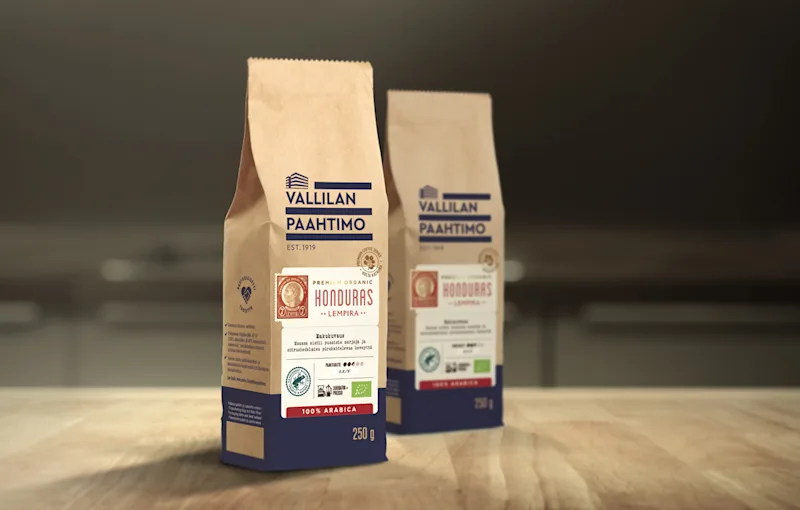
Amcor collaborated with the Finnish coffee brand, Meira Oy, for its new coffee range Vallilan Paahtimo. The coffee beans are sustainably grown, single origin and come in Amcor's AmLite packaging made with bio-based PE, giving customers a more responsible coffee choice, both from product to pack.
Find out more about our sustainability journey with Meira Oy here.

Our range of more sustainable coffee products
More sustainable packaging for coffee is a technical challenge. Coffee is porous and absorbs moisture quickly. So good packaging needs to be waterproof, airtight, abrasion resistant, and shelf-stable for up to a year. However, packaging innovation is providing more options for conscious coffee brands to consider.
Recyclable packaging, such as AmLite Ultra Recyclable gives brands the opportunity to use vibrant coffee packaging design, while replacing a polyester (PET) layer with a high-barrier polypropylene (OPP) film that is recycle-ready and reduces carbon footprint by up to 64%.*
Bio-based materials, such as PE made from responsibly sourced sugar cane, is another way for brands to reduce the carbon footprint of their packaging – replacing fossil fuel-based materials with packaging made from renewable resources.
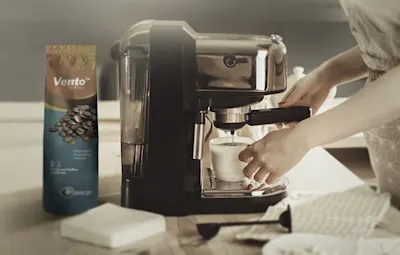
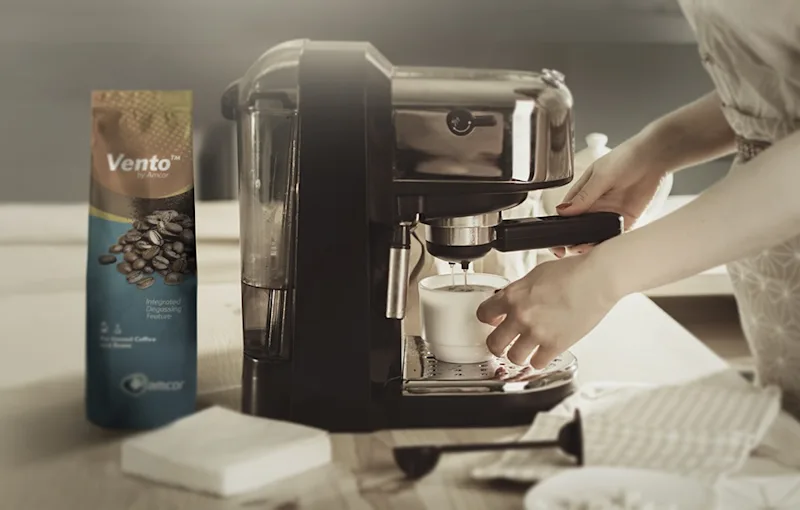
More sustainable production processes, such as Amcor’s Vento coffee packaging which is made with an integrated degassing feature, removing the need to apply hard valves to coffee packs, makes for a simpler filling process and drives down the weight and carbon footprint of the pack.
Not sure what is the right option for your product? Amcor’s ASSET™ lifecycle assessment service means coffee brands can measure their packaging’s carbon footprint from raw materials through end-of-use.
*Comparison based on PETP12/ALU9/PP80 to OPE25/OPE-Y25/PE60. Cradle to grave comparison. Data valid at time of analysis.