What Is PVC Overwrap Film? How to Choose the Right Food Wrap for Fresh Meat, Deli, Cheese and Produce
Insights
Reading time: 4 minutes
Learn what PVC overwrap film is, how it uniquely protects fresh meat, deli, cheese and produce, and how to choose the right food wrap for hand or machine wrapping.
Learn what PVC overwrap film is, how it uniquely protects fresh meat, deli, cheese and produce, and how to choose the right food wrap for hand or machine wrapping.

Before PVC overwrap film, fresh meat looked a little different at the grocery store.
Think back to the days of the neighborhood butcher. You picked your cut. The butcher wrapped it in paper and tape. You brought it home. But if dinner plans changed, that meat sat in the refrigerator for a few days. Suddenly your main dish looked brown and less than appealing.
PVC overwrap film transformed how fresh food could be protected and presented. Rather than hiding the product under paper, clear PVC food wrap allowed shoppers to see what they were buying while helping safeguard food from the store case to the refrigerator.
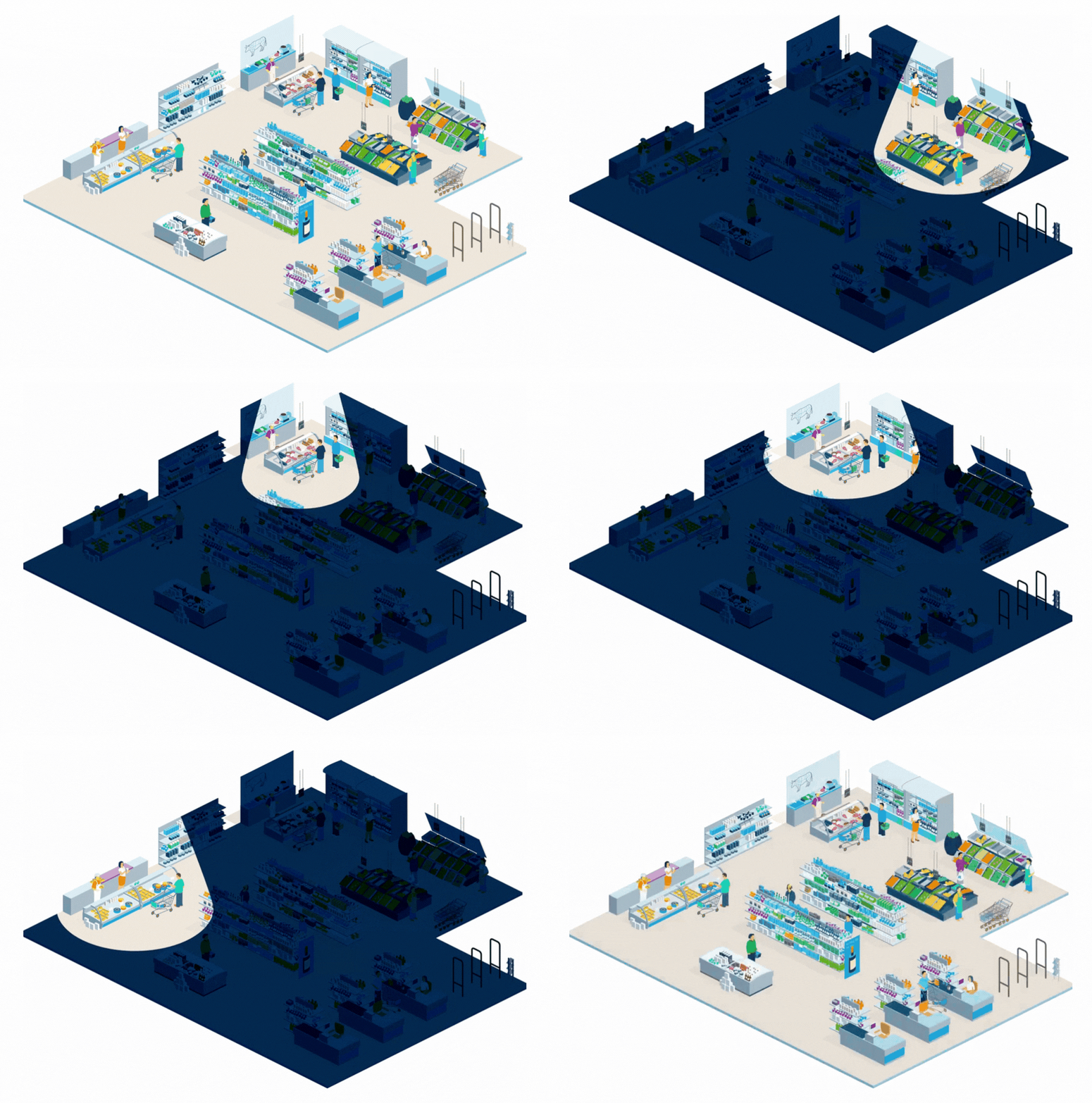
Today, PVC overwrap is used throughout meat, deli, cheese and produce departments. But choosing the right fresh-food packaging film is more nuanced than just grabbing a roll and getting to work. What is being wrapped, how it’s wrapped and the equipment being used can all play a role in choosing the right film for the job.
Let’s cut into it.
What Is PVC Overwrap Film?
PVC overwrap film is a clear, stretchable food packaging film used to wrap fresh foods throughout grocery stores, butcher shops, delis and foodservice operations. It fits around the product and tray, keeping the package together while letting shoppers see what’s inside.
It’s commonly used to wrap:
- Fresh meat and poultry
- Deli meats and cheeses
- Produce
- Other fresh-food and foodservice items
The right PVC overwrap film balances clarity, cling, stretch, memory, puncture resistance and moisture management to protect the product while keeping it visible. That balance also helps support consistent performance from prep to the case.
Why Use PVC Overwrap Film for Fresh Food Packaging?
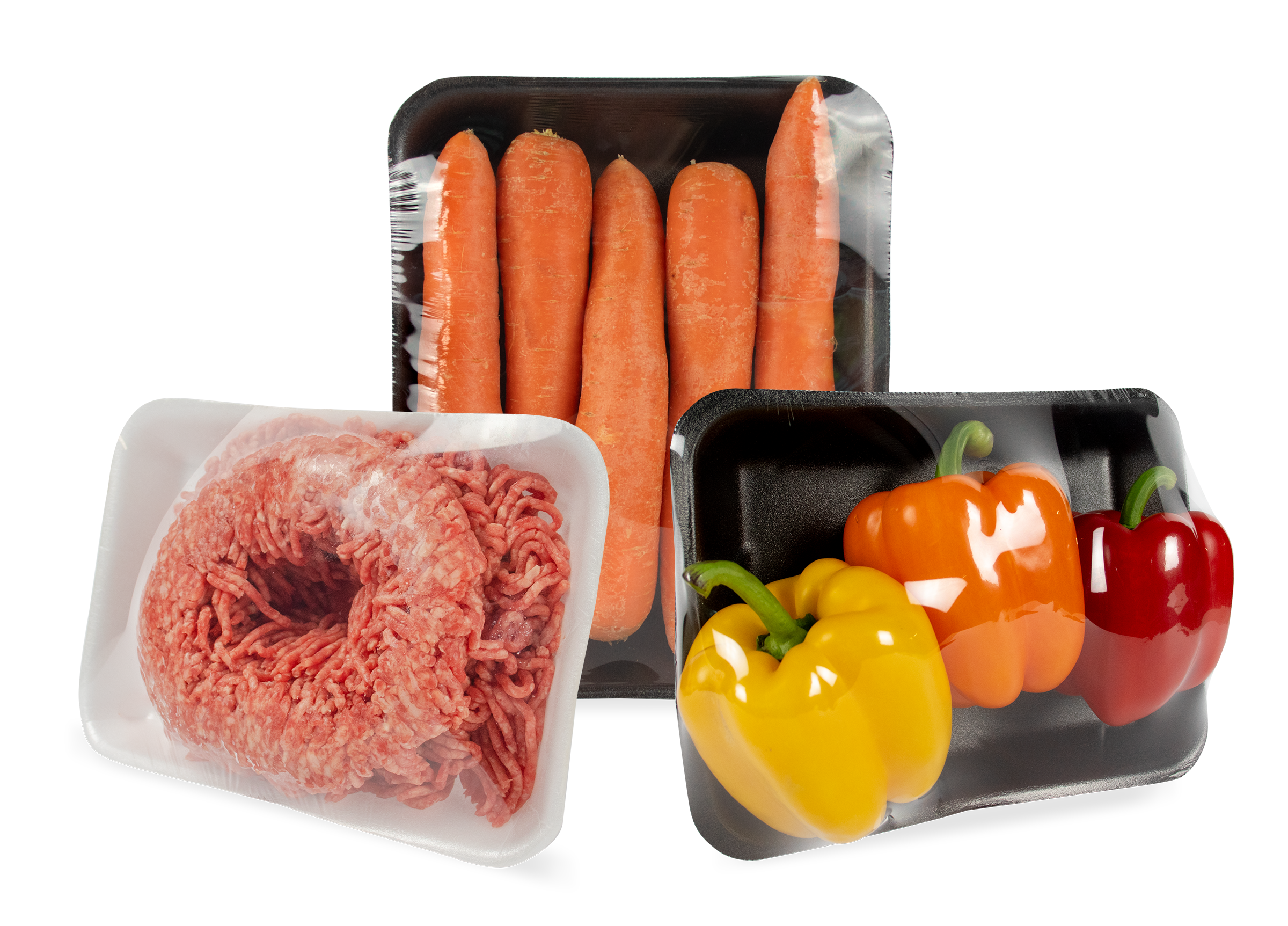
Fresh-food packaging needs to protect the food without getting in the way of what matters most: the product itself. For grocery management, meat department teams and deli operators, film performance makes a difference both behind the counter and in the case.
PVC has a few unique traits that make it especially useful for fresh-food applications:
- Clarity and marketability: Clear film lets the product do the selling, giving shoppers a clear view of its color, texture and quality.
- Cling and seal: The film stays securely wrapped as packages move from prep to the store case.
- Stretch and durability: It stretches neatly around different products and trays while resisting tears and punctures.
- Memory: Packages get picked up, pressed and put back. PVC rebounds to its original shape after handling, helping the package maintain a freshly wrapped look.
- Moisture management: Food-grade additives help spread condensation rather than letting it collect in one spot, so the product is easier to see.
Together, these qualities help keep products protected and wrapping consistent while letting the food itself stay front and center.
How Is PVC Overwrap Used?
There are typically two main ways to wrap: by hand or by machine.
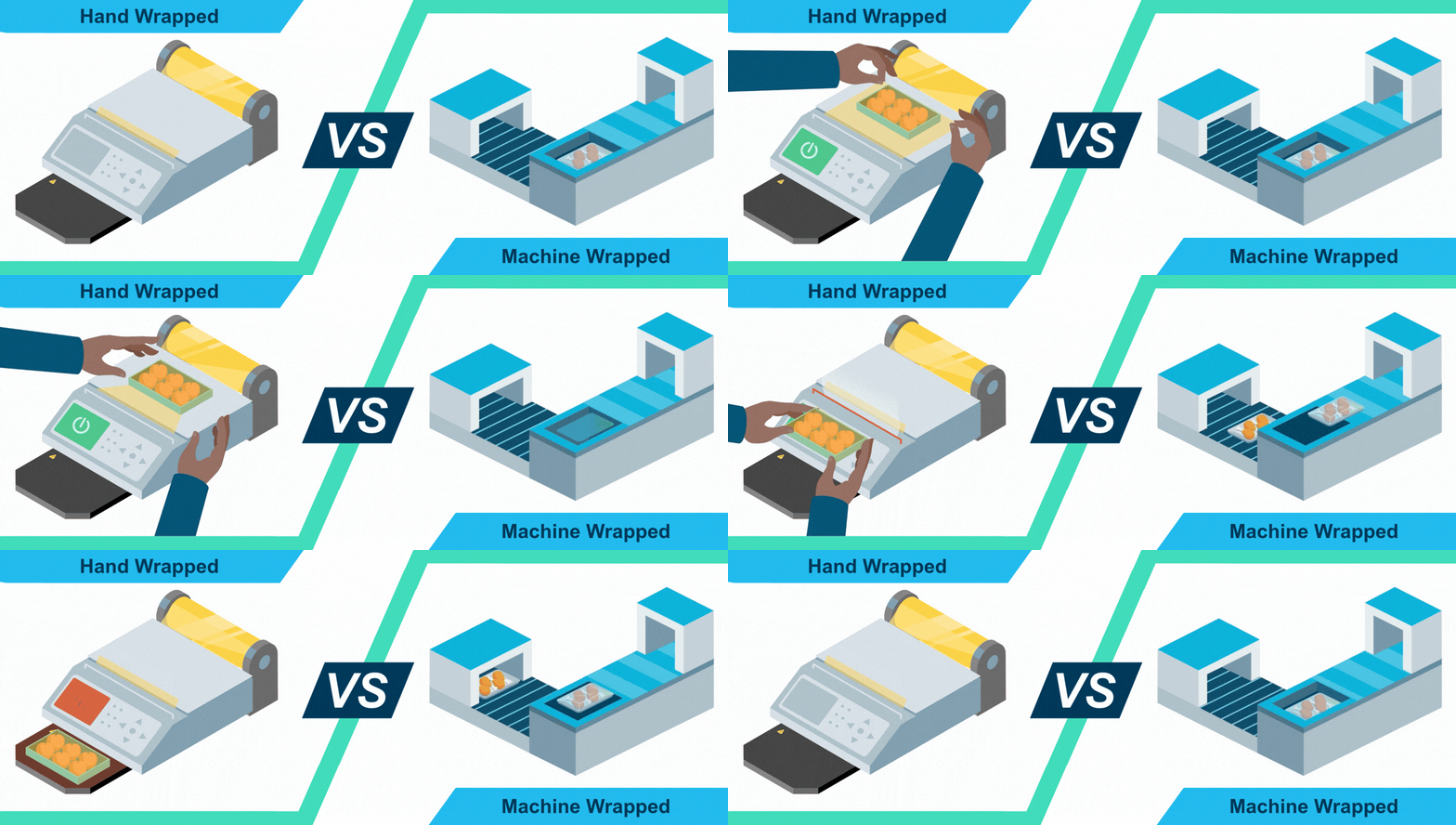
Hand wrapping is often used in delis and other lower-volume settings. The associate is doing the work, so the film needs to be easy to handle and flexible enough to get a snug, secure wrap.
Machine wrapping is common in higher-volume meat and produce departments. Machines can move through trays quickly, so the film has to keep up—unwinding, stretching and sealing smoothly without tearing or causing jams.
Each method puts different demands on the film. Understanding how a department wraps helps keep things running smoothly, whether products are wrapped individually throughout the day or trays are moving quickly through a machine.
Why Isn’t All PVC Food Wrap the Same?
What the film needs to handle depends on the product. A package of sliced cheese, for example, is very different than a bone-in cut of meat.
Bone-in cuts, sharper tray edges or machine wrapping can call for a thicker, more robust film. Hand wrapping often works better with a more pliable, easier-to-control wrap. Equipment plays a role, too, because automatic wrappers need a film that feeds, stretches and seals consistently.
The goal isn’t simply finding the best PVC film. It’s choosing the best film for what you’re wrapping, how you’re wrapping it and what your operation needs from the finished package.
What Difference Does the Right PVC Overwrap Film Make?
When the film fits the application, wrapping is far less complex.
The right match can mean:
- Fewer tears and punctures
- Less machine downtime and fewer interruptions
- Less rewrapping
- Reliable seals
- Smoother wrapping
- A cleaner, more uniform look in the case
Those small differences add up in a busy department, increasing efficiency behind the counter, lowering overhead costs, and keeping products looking their best in the case.
How Do You Choose the Right PVC Overwrap Film?
A few questions to consider:
- What are you wrapping? Different foods have different needs.
- What kind of tray are you using? Consider the size, depth, edges, and material.
- Are you wrapping by hand or machine?
- What equipment are you using? Make sure the film works with the wrapper.
- How much are you wrapping? Volume can change what you need from the film.
- What matters most? Clarity, cling, seal, stretch, puncture resistance or how easy the film is to work with?
- Could one film work across departments? It may help simplify inventory, if it works for each use.
Don’t choose based on the roll alone. Start with the application. Understanding the product, tray, wrapping method, equipment and volume will help narrow the options and point you toward the PVC overwrap film that fits the job.
Key Takeaways
Knowing the basics makes choosing PVC overwrap film simpler. The best fit depends on the food being wrapped, the tray, the wrapping method and the equipment being used. That context makes it easier to find a film that protects the product, performs as it should and allows the food to speak for itself.
Want to hear it straight from the source? Watch the Amcor Food Overwrap podcast with Richard Composto and Stephen Wechsler as they break down PVC overwrap film, fresh-food packaging performance and how to find the right film for the job.