Sustainable Packaging Summit 2026: Our team’s take-aways from Utrecht
Sustainability
Reading time: 3 minutes
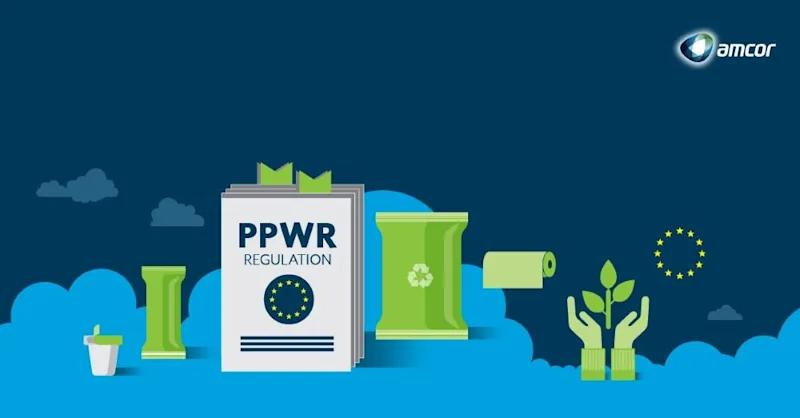
Are you waiting for every detail of the European Union’s Packaging and Packaging Waste Regulation (PPWR) before you act? As the rules of the regulation take shape, this is a question many industry representatives explored recently at the Sustainable Packaging Summit in Utrecht.
Are you waiting for every detail of the European Union’s Packaging and Packaging Waste Regulation (PPWR) before you act? As the rules of the regulation take shape, this is a question many industry representatives explored recently at the Sustainable Packaging Summit in Utrecht.
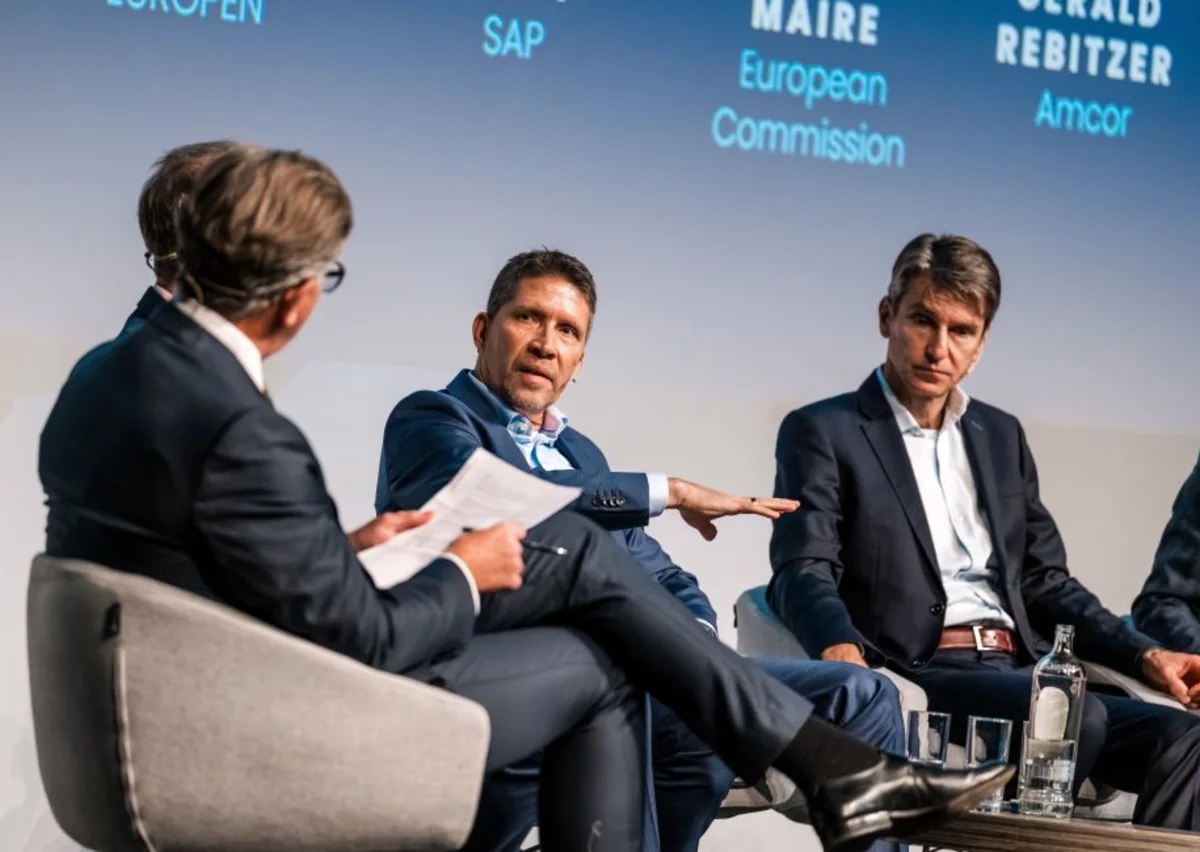
More than 1,000 packaging professionals from over 43 countries gathered at the summit in Utrecht, Netherlands earlier this month. During the conference, Gerald Rebitzer, our Vice President Sustainability Operations and Advocacy, spoke on the main stage in a panel called “European Regulation at the Crossroads.” His fellow panelists came from the European Commission, Plastics Europe, SAP, European Association of Carton and Cartonboard Manufacturers, and Eunomia Research & Consulting; with Hans van Bochove, chair of EUROPEN, moderating.
The three-day conference also looked beyond PPWR, addressing other hot topics such as reusable packaging, safe recycled content, and bio-based materials. What was notable to the Amcor team members participating? Read on for the highlights...
PPWR: Start with what you already know
Gerald’s message from the main stage was simple: you don’t need every detail of the secondary legislation to begin planning and making packaging changes.
Gerald’s advice? The direction of the PPWR is clear now, so an “80/20” approach works well. Act on what is already known, then adjust as the remaining details arrive. Those who will wait too long risk not being compliant in time, with serious implications such as losing market access.
For example, when it comes to design for recyclability requirements, companies can already start reviewing their packaging for “red” components according to the CEN guidelines and investigate alternatives with suppliers. For post-consumer recycled (PCR) plastic requirements, companies can already start trialing PCR in their packaging for both its performance properties and to ensure they have the right tracking and certification processes in place.
The representative speaker from the European Commission also urged companies not to wait. PPWR is in force, and its recycled content targets remain. Emmanuelle Maire, head of unit at the Commission’s Directorate-General for Environment, joined remotely. She encouraged the industry to show leadership by buying recycled content within Europe, and Plastics Europe spoke to the need for fair trade conditions.
Extended Producer Responsibility: how will it drive decisions?
Extended producer responsibility (EPR) came up in several sessions at the summit. The message was clear: EPR is more than a cost. It increasingly influences which packaging gets chosen and how well collection and sorting systems are funded.
EPR is already changing purchasing decisions. The practical advice was to calculate or model EPR costs across your packaging portfolio as eco-modulated fee structures can increasingly affect format and material choices.
Safe recycled content matters as much as volume
How big is the recycled content challenge? Under the PPWR, by 2030 plastic packaging must contain a minimum of 10%-35% PCR, depending on the type of packaging. This creates a steep increase in demand for PCR plastics.
The use of recycled plastic by 2030 would need to increase roughly four-fold compared to 2021 volumes in Europe. And for polyolefins specifically (PE and PP), the necessary increase is a factor of about five.*
Food brands also raised the topic of safety. As production of recycled content grows, they want confidence that recycling technologies can remove substances of concern from recycled material.
This topic involves the whole value chain: packaging recovery organizations (PROs), recyclers, material suppliers, brands, regulators, and trade associations. Working together to define supply and demand, collection, sorting and infrastructure is critical to unlock the required investments and make circularity a successful business case.
What we heard from leading brands
Our customer conversations at the summit show that many brands are already on the path toward readiness. Many we spoke to are treating the PPWR as a given rather than taking a “wait and see” approach. Brands that treat the 2030 PPWR recyclability, PCR, and other requirements as a priority today have an advantage because they are organizing their teams and putting resources behind transitioning their packaging portfolio, and preparing for compliance. Starting early allows more time to test, qualify, and launch packaging that meets the requirements ahead of the deadline.
This matches Gerald’s 80/20 advice: you don’t need every answer to get started. Begin with what you know, then adjust as the final details arrive.
*Source: Study by IK Industrievereinigung Kunststoffverpackungen e.V.
Get ready for PPWR with us
Where should you start? Our experts can help you review your packaging portfolio and understand your EPR costs. We can also help you plan next steps toward packaging that’s designed for recycling and the use of recycled content.
Want to talk through your PPWR readiness roadmap? Contact us.