What could dry weather mean for animal feed demand this winter?
Insights
Reading time: 2 minutes
With dry weather putting pressure on forage stocks across the UK and Europe, some livestock producers could face a greater reliance on purchased feed this winter. What might this mean for feed demand, production planning and the wider supply chain? Read the article to learn more.
With dry weather putting pressure on forage stocks across the UK and Europe, some livestock producers could face a greater reliance on purchased feed this winter. What might this mean for feed demand, production planning and the wider supply chain? Read the article to learn more.
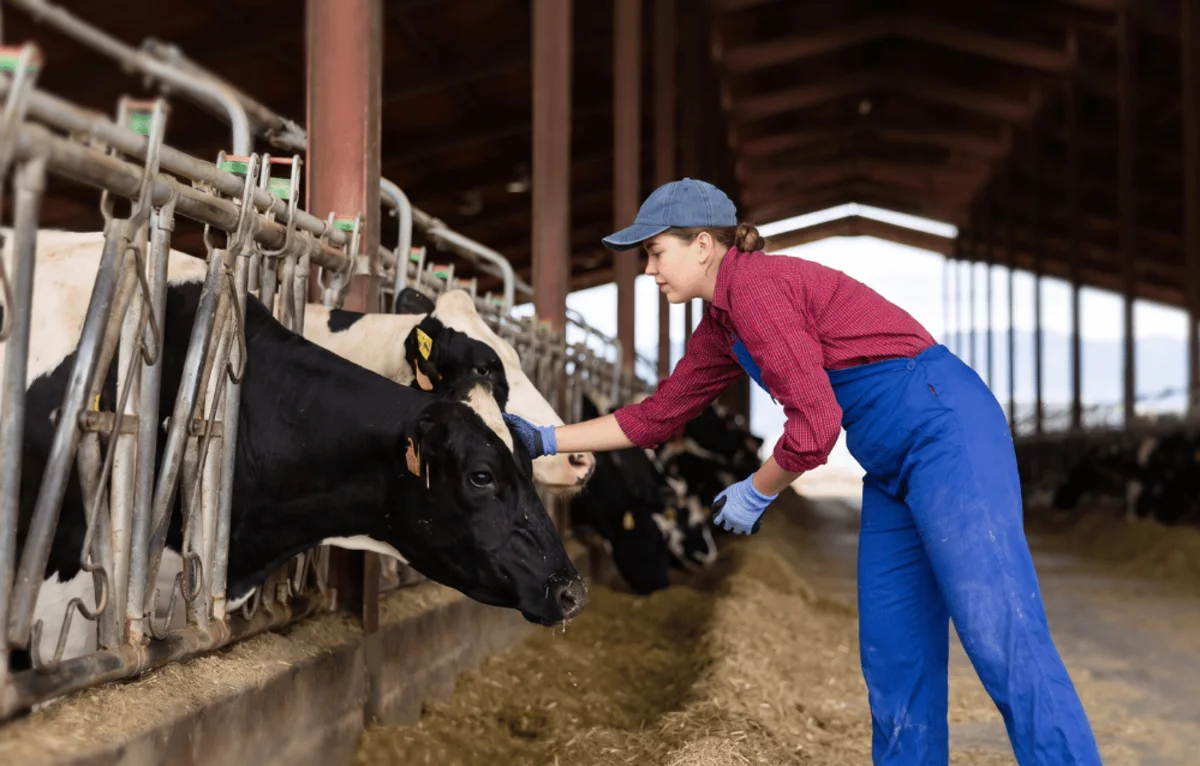
What could dry weather mean for animal feed demand this winter?
Prolonged dry weather is putting pressure on forage stocks across many parts of the UK and Europe, raising questions about how animal feed demand could develop as the industry moves towards autumn and winter.
According to provisional Met Office data, England and Wales may have just recorded their driest July in 190 years, following prolonged heat, low rainfall and widespread drought conditions in 2026.⁴
Across large parts of western and central Europe, the combination of repeated heatwaves and limited rainfall depleted soil moisture, increasing heat and water stress, particularly for summer crops.⁵
Why are forage supplies under pressure?
The effects of dry weather are increasingly visible across the agricultural sector.
The Environment Agency has reported:
- Reduced crop yields
- Concerns over livestock forage availability
- Livestock farmers drawing on winter forage reserves earlier than usual² ³
In some regions, forage stocks were already under pressure following challenging growing conditions in 2025. Using winter reserves during summer could leave farmers with tighter supplies later in the year.
It's not just a question of quantity. Forage quality may also be affected by drought conditions, potentially increasing the need for supplementary feeding even where stocks remain available.
Key takeaway: Some livestock producers may head into winter with less forage than planned and a greater reliance on purchased feed.

Could animal feed demand increase?
Possibly.
The Agriculture and Horticulture Development Board (AHDB) forecasts UK cereal use for animal feed at approximately 13.3 million tonnes during the 2025/26 marketing year, with livestock producers expected to increase cereal use to compensate for depleted forage reserves.¹
The impact could be particularly significant in:
- Dairy
- Beef
- Sheep
These sectors are especially sensitive to grazing conditions and forage availability.¹
However, feed demand will also depend on:
- Livestock numbers
- Feed costs
- Farm profitability
- Alternative forage availability
Key takeaway: Pressure on forage supplies does not guarantee higher feed demand, but it increases the likelihood that some producers will need additional purchased feed.

What does this mean for feed manufacturers?
The challenge is not only understanding demand today but anticipating how quickly requirements could change.
If forage stocks remain tight through autumn, manufacturers may need to respond to:
Increased production volumes
- Demand across multiple SKUs
- Shorter planning horizons
- More variable customer ordering patterns
Early planning can help manufacturers maintain flexibility if market conditions shift.
Why does packaging planning matter?
Changes in feed production can place pressure on the wider supply chain, including packaging procurement.
Alongside ingredients and production capacity, manufacturers need confidence that packaging supply can respond when requirements change.
Reviewing packaging forecasts early can help reduce the risk of packaging availability becoming a constraint during periods of increased demand.
How Amcor can help
Amcor supports animal feed manufacturers through its European industrial packaging manufacturing network, including sites in Ardeer (Scotland), Hardenberg (Netherlands) and Steinfeld (Germany).
Together, these facilities support a wide range of animal feed packaging applications, combining local manufacturing expertise with regional supply capability.
By working closely with packaging partners, feed manufacturers can help ensure packaging availability supports production requirements as the industry moves towards the winter feeding season.

If your animal feed requirements are changing, talk to our team about how Amcor can support your packaging needs.
Fill the form below to get in touch with our team and discover Amcor's range of animal feed packaging solutions.
Sources
¹ Agriculture and Horticulture Development Board (AHDB), Animal Feed Production Outlook, February 2026. https://ahdb.org.uk/animal-feed-production-market-outlook
² Environment Agency, Dry weather and drought in England: 17 to 23 July 2026. https://www.gov.uk/government/publications/dry-weather-and-drought-in-england-2026-summary-reports/dry-weather-and-drought-in-england-17-to-23-july-2026
³ Environment Agency, Dry weather and drought in England: 24 to 30 July 2026. https://www.gov.uk/government/publications/dry-weather-and-drought-in-england-2026-summary-reports/dry-weather-and-drought-in-england-24-to-30-july-2026
⁴ Met Office, An early look at the July statistics: just how dry has it been?, 31 July 2026. https://www.metoffice.gov.uk/about-us/news-and-media/media-centre/weather-and-climate-news/2026/an-early-look-at-the-july-statistics-just-how-dry-has-it-been-
⁵ Source: European Commission, Heatwaves impact summer and winter crops - Joint Research Centre, 27 July 2026
https://joint-research-centre.ec.europa.eu/jrc-news-and-updates/heatwaves-impact-summer-and-winter-crops-2026-07-27_en