
Smaller packs, bigger opportunities: how portion packaging is responding to changing consumer needs
Trends
Reading time: 3 minutes
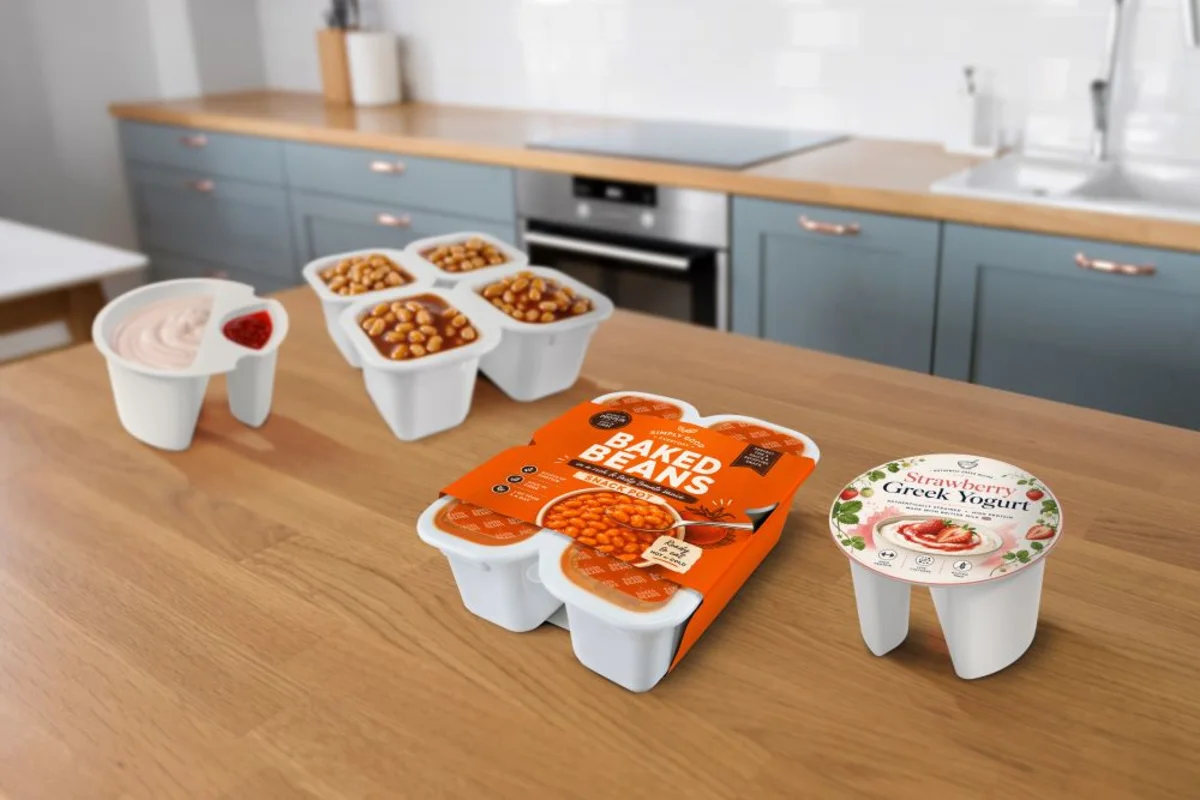
As consumers look more closely at value, convenience and reducing waste, smaller food pack sizes are taking on greater relevance. Amcor is seeing growing demand for smaller-sized food packs as manufacturers respond to these evolving consumer priorities.
According to NIQ, cost-of-living pressures are impacting 73% of consumers¹, while Deloitte reports that 47% are “value seekers”, driven by deals and cost-conscious choices.² For food manufacturers, these changing purchasing behaviours can present a longer-term challenge to volume growth and increase the importance of delivering value in different ways.
The same NIQ report found that 52% of consumers seek to buy only what they know they will use to avoid waste, while nearly a third are buying more convenient meal items. Planning ahead and preparing a shopping list to avoid making in-store purchasing decisions was another noticeable trend. And although trust and quality remain central to product selection, brand loyalty is fragile, with only 12% of consumers willing to stick to their regular brands regardless of price. Private label continues to grow and is no longer seen simply as the “cheap option”, with consumers expecting value without compromise. Together, these trends increase the need for brand owners to establish meaningful differentiation while responding to changing expectations around price, portion size and convenience.
“It is clear that the food purchasing landscape is changing and manufacturers are adapting and developing their offerings accordingly,” said Katrina Burrett, product line director, containers & reusables, Amcor Global Rigid Packaging Solutions. “Packaging can play a vital role in supporting these changes, in particular in helping brands to gain and retain much needed loyalty.”
Burrett says the availability of mini-portion and smaller-size packs can meet consumer demand for “right-size” packaging, helping to minimize waste while maintaining a compelling value proposition. In Mintel’s latest European dairy research, an average of 54% of consumers across France, Germany, Italy, Poland and Spain agreed that there should be more milk, milk drinks or cream available in smaller pack sizes, such as 500 ml milk or 100 g/ml cream.³
For manufacturers, this suggests that pack size itself can become an important part of the overall value proposition. Smaller packs can form part of a wider family range, providing an entry-level, opening-price-point solution and an opportunity for trial, while enabling consumers to trade up to larger pack sizes if and when needed.
“It is essential that these smaller packs still deliver quality and functionality to reflect the quality of the products they contain, maximize the consumer experience and build loyalty,” continued Burrett. “Much of our current development work, for example, focuses on the creation of lighter weight packs that still retain excellent strength and durability.”
Amcor has the capability to develop and customize mini-portion packaging tailored to each brand’s needs. Within this capability space, Amcor has created solutions such as its 95 mm injection-moulded PP Duo Pot in 40 ml and 167 ml formats, as well as a thermoformed PP four-portion 220 ml snap pot incorporating an EVOH barrier for extended ambient shelf life. These designs combine lightweighting, barrier performance and consumer-friendly usability to meet evolving category demands.
Both formats are recycle-ready, supporting brands’ sustainability goals where the appropriate recycling infrastructure exists. More importantly, they illustrate how mini-portion formats can be developed around an individual brand’s architecture, positioning and operational requirements, rather than taking a one-size-fits-all approach.
Amcor also offers a wide variety of containers, tubs and pots in many different designs and sizes. Having a single design across different formats can simplify product and filling logistics as well as customer validation and testing requirements.
A choice of decoration options means packs can be tailored to precise customer requirements, delivering individualized branding and helping products create maximum consumer appeal.
“Innovation remains the lifeblood of the food industry, adapting to the needs of a changing market,” said Burrett. “Our variety of portion control solutions will help manufacturers bring their innovations to new formats in line with latest consumer expectations.”
As value, convenience and waste reduction increasingly influence purchasing decisions, smaller formats can offer manufacturers another way to respond to changing consumer needs while maintaining product quality, brand differentiation and choice.
Sources
NIQ, Consumer Outlook: Guide to 2026, 29 September 2025.
Deloitte, 2026 Consumer Products Outlook, Deloitte Insights, 8 January 2026; and The value-seeking consumer: Competitors could lose out to brands offering more than low prices, Deloitte Insights, 24 June 2025.
Mintel, Dairy Drinks, Milk and Cream - Europe - 2025.