Key trends shaping the European cheese market – and what they mean for packaging
Insights
Reading time: 1 minutes
Over the past few years, the European dairy market has been characterized by gradual yet notable shifts. Sustained cost pressure has weighed on consumers’ purchasing power, accelerating the growth of private labels. At the same time, regulatory requirements and retailer-led sustainability agendas are increasingly influencing packaging choices, driving plastic reduction initiatives and the adoption of mono-material solutions. However, the pace of implementation remains progressive, reflecting the operational and industrial complexities associated with these transitions.
Over the past few years, the European dairy market has been characterized by gradual yet notable shifts. Sustained cost pressure has weighed on consumers’ purchasing power, accelerating the growth of private labels. At the same time, regulatory requirements and retailer-led sustainability agendas are increasingly influencing packaging choices, driving plastic reduction initiatives and the adoption of mono-material solutions. However, the pace of implementation remains progressive, reflecting the operational and industrial complexities associated with these transitions.
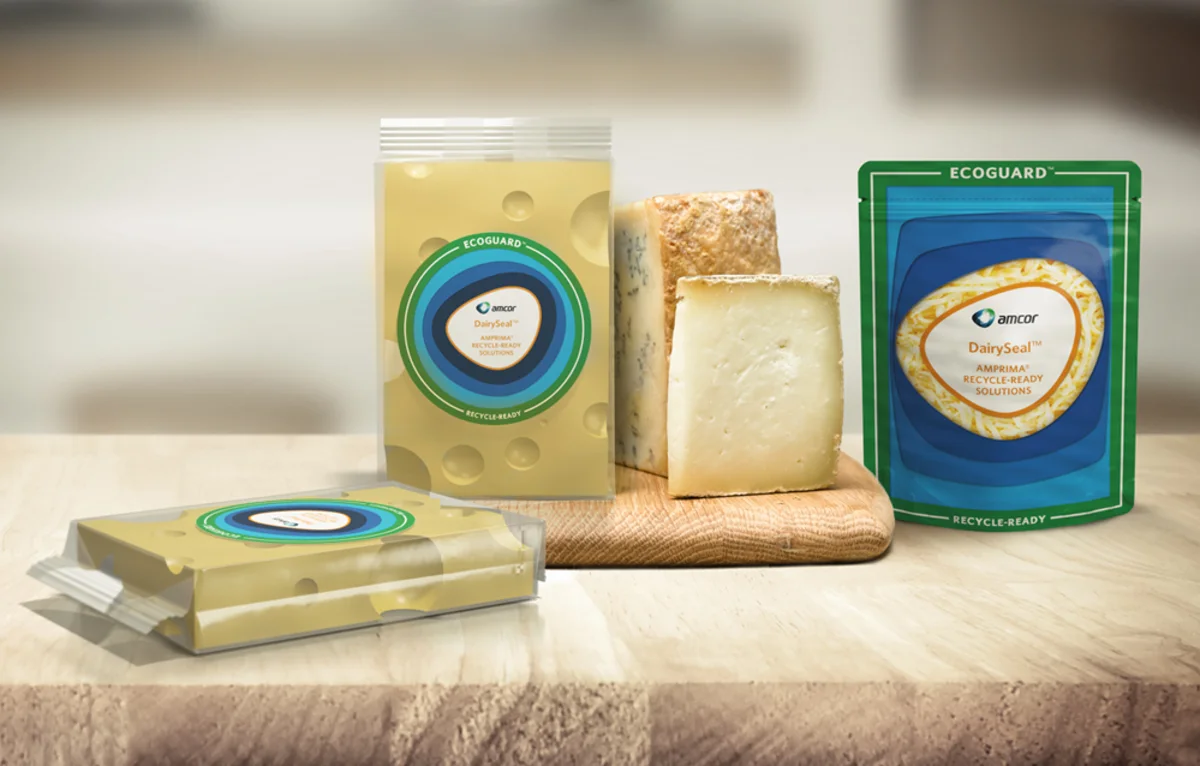
For manufacturers, staying competitive means understanding how these trends translate into concrete product and packaging choices, and using those insights to make informed, data-driven decisions.
Health remains a primary purchase driver
Consumers increasingly seek foods that deliver added nutritional value, with protein emerging as a major focus. This has strengthened cheese’s position as a protein-rich snack suitable for on-the-go and between-meal consumption. As a result, brands are expanding packaging formats that support both convenience and sharing occasions.[1,2,3]
Improved sustainability is no longer a trend – it's an expectation
Sustainability is no longer a differentiator—it is becoming a market requirement. Compliance with recyclability targets, PCR content requirements, and packaging minimization rules will increasingly be necessary for market access.
Consumer expectations reinforce this trend. Research among French hard cheese buyers found that 67% value sustainability attributes in packaging, with recyclability ranking as the most important factor, followed by reduced plastic use, material reduction, recycled content, and lower carbon footprint. [4]
What this means for dairy manufacturers
Manufacturers have an opportunity to align packaging with growing expectations around sustainability, convenience, and functionality.
In hard cheese, flowpack remains widely used across grated, block, and sliced formats. Packaging functionality plays an important role in the consumer experience, with features such as easy opening and reclosability helping improve convenience. In fact, 70% of French hard cheese consumers consider easy opening an important packaging feature. [5]
Alternative flowpack designs, such as envelope-style packs for block and sliced cheese, can also help reduce plastic usage compared with traditional rigid trays. Combined with recycle-ready solutions such as AmPrima® PP and PE-based films, these formats can deliver improved sustainability while maintaining shelf life and performance.
- Kantar/Mintel September 2024, Spain= 1000 respondents
- Kantar/Mintel, December 2024, France=861 respondents, Poland=900 respondents, Italy= 1000 respondents
- https://statics.teams.cdn.office.net/evergreen-assets/safelinks/2/atp-safelinks.html
- Amcor & Toluna Research, March 2026, based on 500 respondents in France
- Amcor & Toluna Research, March 2026, based on 500 respondents in France
Related Insights
Gouda Cheese: How to package this Dutch delight
Legend says that Gouda was first discovered by a Dutch farmer who left a wheel of cheese aging longer than intended in the cool, coastal air of Holland. As time passed, the cheese developed a firmer texture and a richer taste, quite different from the fresh cheeses of the time. The farmer shared it with his village, and soon Gouda became a beloved staple. As with many great cheeses, sometimes the...
Legend says that Gouda was first discovered by a Dutch farmer who left a wheel of cheese aging longer than intended in the cool, coastal air of Holland. As time passed, the cheese developed a firmer texture and a richer taste, quite different from the fresh cheeses of the time. The farmer shared it with his village, and soon Gouda became a beloved staple. As with many great cheeses, sometimes the...
Hard cheese: moving from trays to flexible packaging has never been easier
Whether it's block or sliced cheese, it's the perfect time to make the transition from rigid trays to flexible packaging. AmPrima® Peelable Flowpack and Envelope can help you meet your sustainability goals while providing the ultimate in convenience and efficiency. Our innovative, recycle-ready designs reduce your pack's carbon footprint without compromising quality or performance.
Whether it's block or sliced cheese, it's the perfect time to make the transition from rigid trays to flexible packaging. AmPrima® Peelable Flowpack and Envelope can help you meet your sustainability goals while providing the ultimate in convenience and efficiency. Our innovative, recycle-ready designs reduce your pack's carbon footprint without compromising quality or performance.